Life is a journey of evolving roles, each with its own beauty and wisdom. From the structured world of academia to the ever-evolving realm of homemaking, I have embraced each phase with passion and grace. When my children settled into their own lives, I found myself with a renewed sense of purpose—to document and share the wealth of knowledge I have gathered over the years.
During the lockdown, I realized that my experiences in cooking, home remedies, and life’s simple yet profound lessons could serve as a source of inspiration for others. Meticulously and with great concern for the palate, gut health, overall well-being, and the emotional gratification of savoring each preparation, I began crafting a collection of love-filled, cherished recipes, time-tested remedies, and stories woven with warmth and wisdom.
I write under the name "Rajeshree's Kitchen", where I share detailed recipes—the kind that provide exact measurements for ingredients like salt and water, which are often left to personal interpretation in most other kitchen blogs. Additionally, I include practical tips with clear reasons behind them, ensuring that every piece of advice is rooted in understanding and experience. My aim is to make cooking approachable yet precise, helping readers not just recreate dishes but truly connect with the joy of cooking.
This endeavor is my way of preserving traditions, sharing insights, and connecting with those who seek both knowledge and comfort in life's everyday moments.
kala Til is nothing but unhulled seeds or seeds with husk.
Sesame plant with Black & white Til seeds
Benefits of using kala Til and Safed Til.
Regularly eating sesame seeds could reduce oxidation in the body, improve blood pressure, and provide antioxidants and other plant chemicals that help fight cancer.
Sesame seeds help to reduce heart disease risk factors.
3-tablespoon (30-gram) serving of sesame seeds supplies 12% of fiber, which is important for your digestive health.
Unhulled sesame seeds are rich in calcium necessary for bone health. Soaking, roasting, or sprouting sesame seeds can improve absorption of calcium.
Due to the high content of omega-3 fatty acids, Black sesame seeds are helping maintain the health of your skin. Eating regularly helps to promote elasticity of skin.
Sesame seeds and sesame oil can treat bacterial and fungal infections of hair and scalp. As a result, they can reduce dandruff, itchiness, and flaking.
Sesame seeds oil trigger hair growth by nourishing the roots with their rich omega fatty acids content. They also help in moisturising the scalp and improve blood circulation to rejuvenate hair follicles.
The following table shows the difference between nutritional values of Black Sesame seeds (unhulled) and White Sesame seeds (hulled) per 100 g.
Ferula asafoetida is a plant. The resin-like gum comes from the dried sap extracted from the stem and roots, is dried and ground into coarse powder and is used as a spice Asafoetida powder.
Benefits of Asafoetida powder.
Asafoetida is rich in antioxidants.
Pinch of asafoetida powder in buttermilk reduces flatulence.
Pinch of powder dissolves in water and makes a paste and applies to the naval region helps in reducing stomach ache.
It can be fried in ghee and consumed in neuro motor disorders such as sciatica, facial palsy and paralysis.
Turmeric contains curcumin, a substance with powerful anti-inflammatory so used to treat arthritis and it also has antioxidant properties.
Curcumin boosts levels of the brain hormone, which increases the growth of new neurons and may help fight various degenerative processes in your brain.
It is antiseptic for cuts, burns and bruises.
Raw juice is used to treat hyper acidity and indigestion.
Chilli peppers are rich in various vitamins like A,C, B6, K and minerals like potassium and copper. Chillies are one of the main ingredients in food that are used for making the flavor stronger and spicier.
Red chilies are dried green chillies and used as it is or they are powdered.
Chili peppers are not good for everyone. They trigger a burning sensation and may cause stomach pain and diarrhea in some individuals.
Chilli peppers are rich in antioxidants that contain capsaicin can help relieve pain when used topically.
Capsaicin can prevent the growth of harmful bacteria and yeasts that cause infectious diseases.
Our Indian kitchen is nothing but the pharmacy store of our house. Here we get a variety of spices. I don’t think other countries’homes have so many variations .In India Kashmir to Kanyakumari and Mumbai to Kolkata . Rich or poor all have spice boxes and all use spices in their day to day normal food preparation. So let’s start our journey in the spice box.
You know what a spice box is? A spice box is nothing but a single box with 7 compartments. Each compartment has its unique identity. colour, flavour, taste and medicinal value. You cannot compare one spice with another. as they are just different from others. Let’s understand the values of each spice separately.
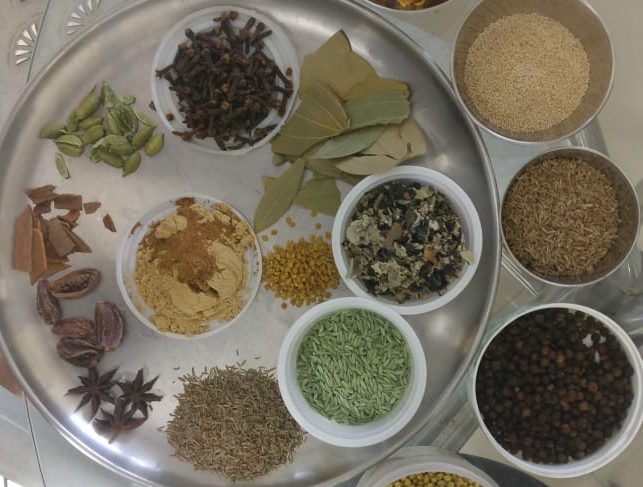
Masala Dani is a popular dry spice organiser where you can find all the needed spices in the same place. A typical masala dani has a number of small cups, often seven, placed inside a round box. Anyone who is passionate about cooking must have the following 8 different types of dry spice boxes in his/her kitchen to create some delicious recipes.
We Indians also use some fresh, green spices in our kitchen. This Green masala dani except Garlic and Onion we keep in the fridge.