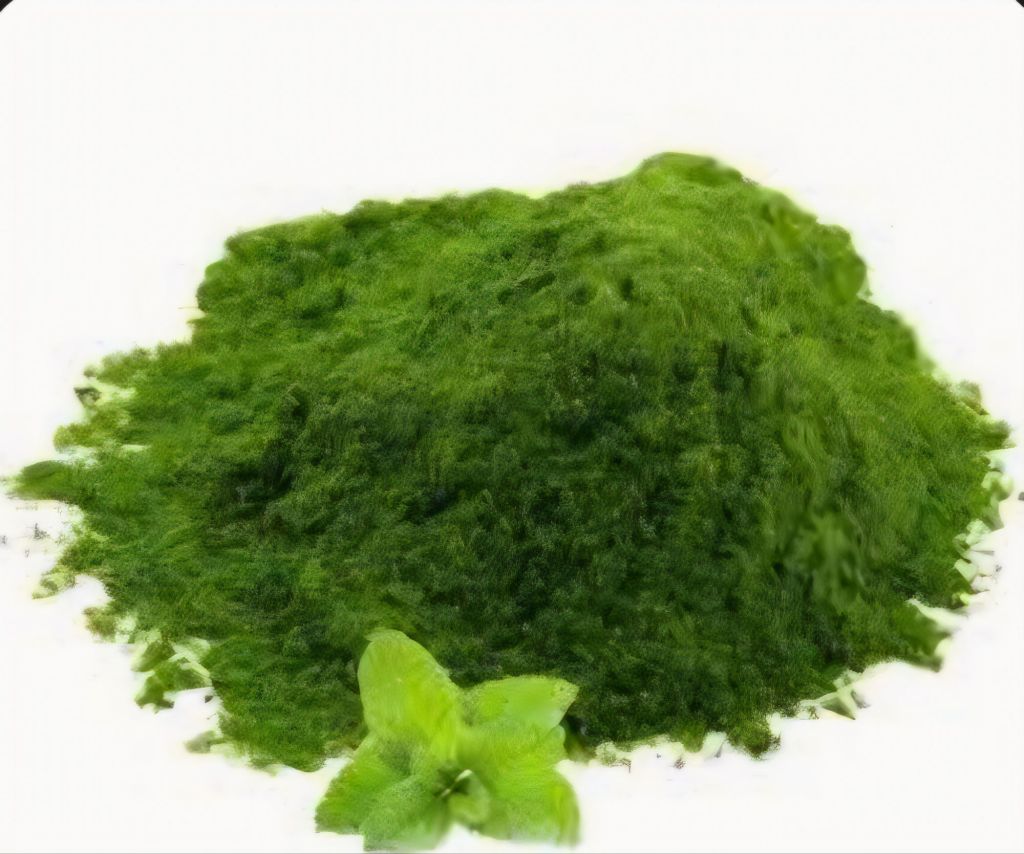
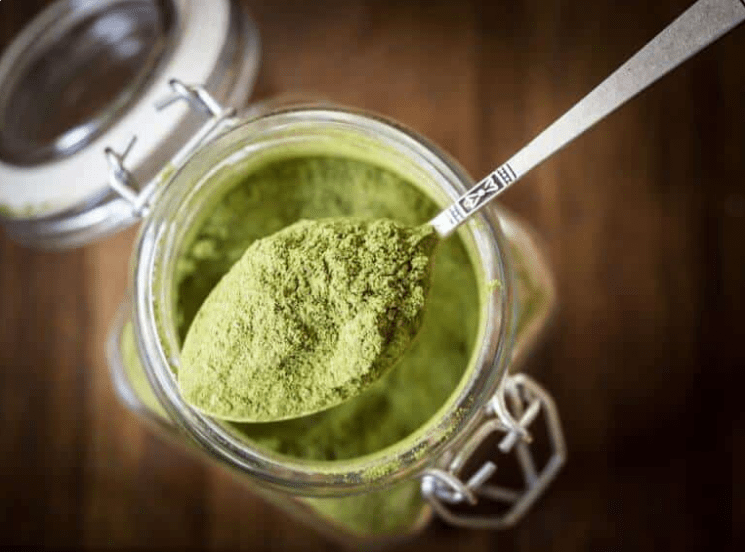
1. Aids Digestion: Stimulates digestive enzymes and helps relieve indigestion, gas, and bloating. 2. Freshens Breath: Natural mouth freshener, helps kill bacteria causing bad breath. 3. Relieves Respiratory Problems: Helps ease symptoms of asthma, cough, and nasal congestion. 4. Cools the Body: Has a natural cooling effect, useful during hot weather or to soothe the stomach. 5. Rich in Antioxidants: Helps fight oxidative damage and strengthens immunity. 6. Supports Skin Health: Anti-bacterial properties help prevent acne and give a fresh glow to the skin. 7. Weight Management: Improves metabolism and helps curb unnecessary hunger pangs.
Common Uses of Phudina Powder:
1. Chutneys and Dips: Add to yogurt or green chutney for extra flavor. 2. Seasoning: Sprinkle on chaats, salads, raitas, fruits, or sandwiches. 3. Herbal Tea: Add to hot water with a bit of honey for a refreshing mint tea. 4. Cooking: Mix into paratha dough, marinades, or even rice dishes for aroma and taste. 5. Face Pack: Blend with rose water or multani mitti (fuller’s earth) to refresh oily skin.
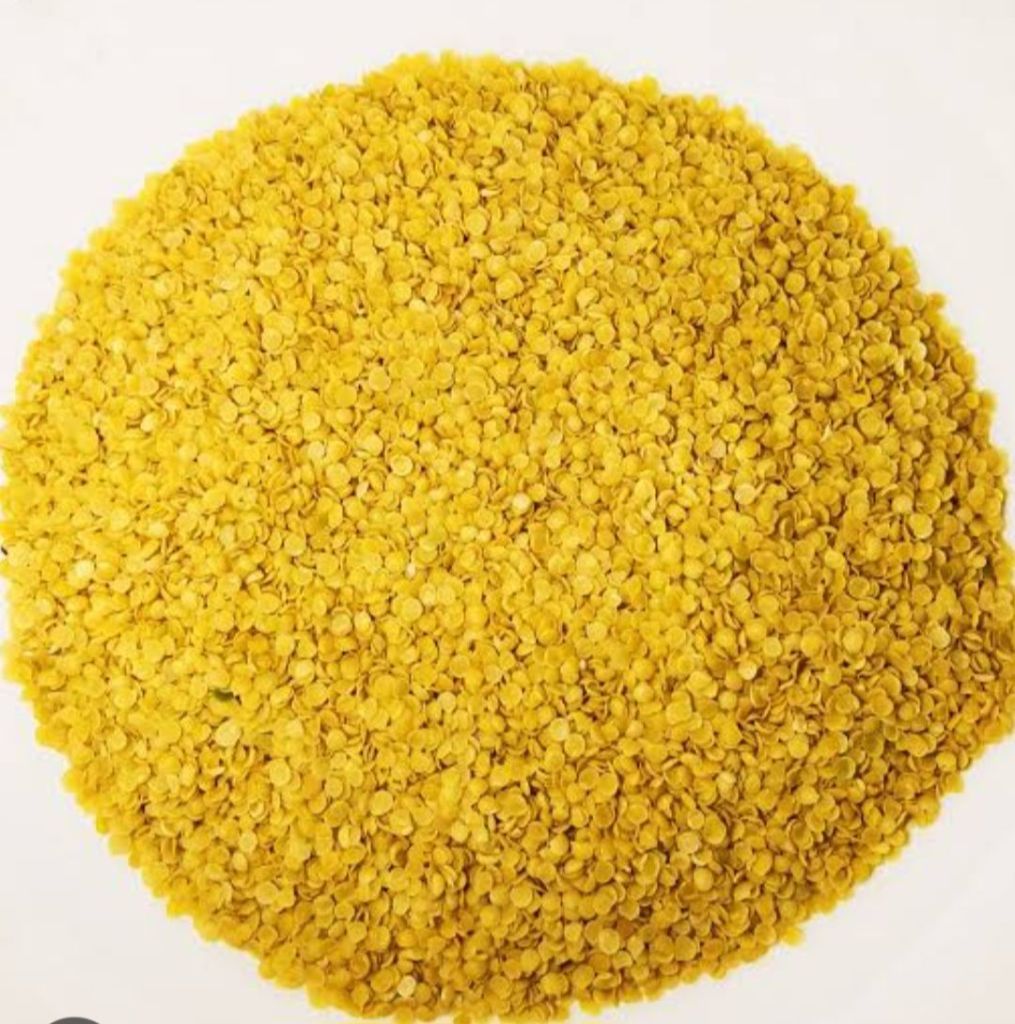
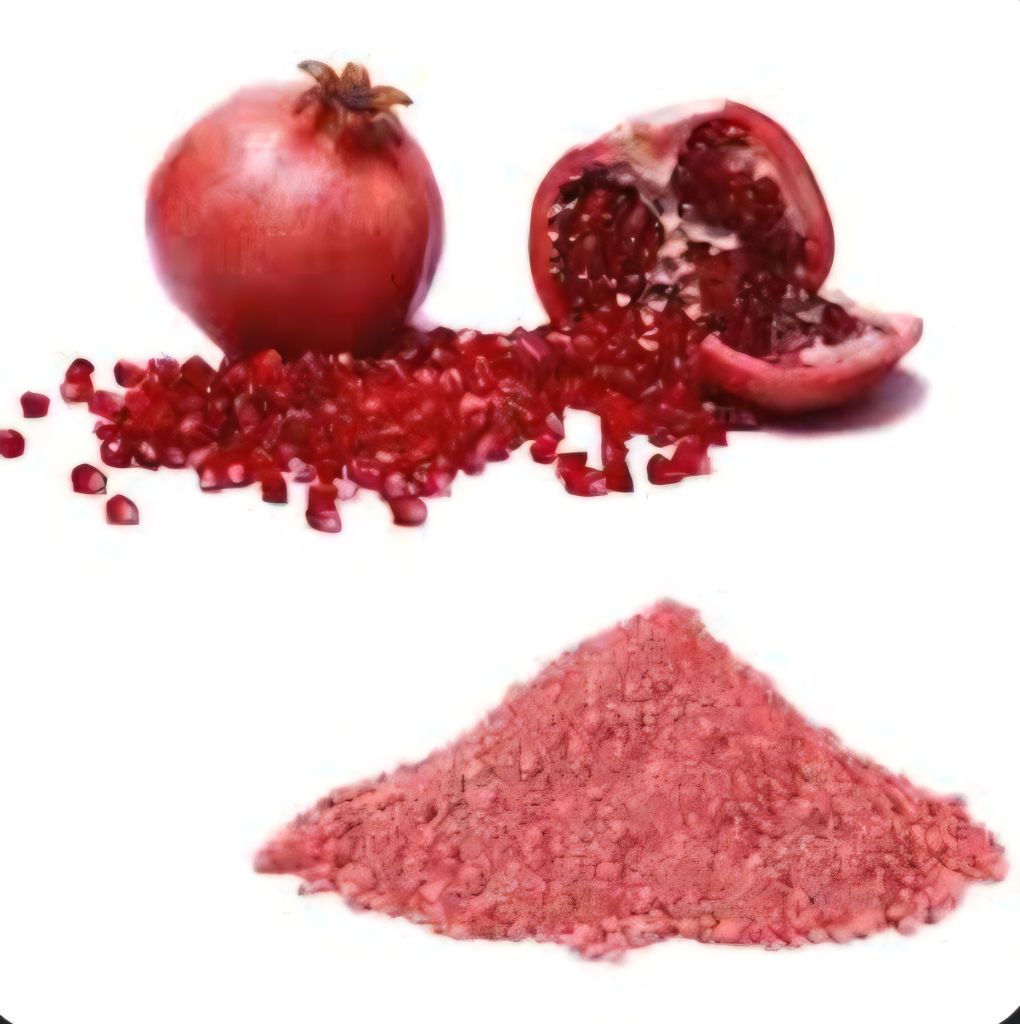
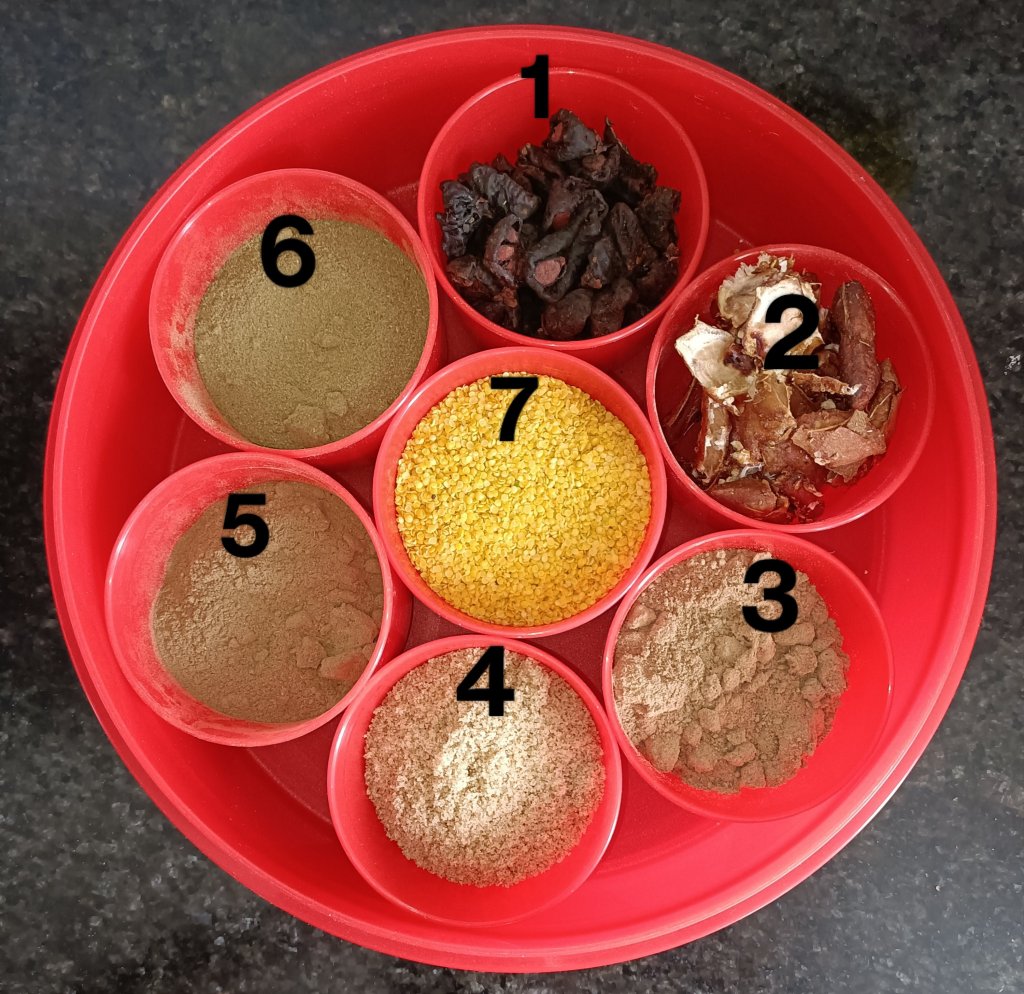
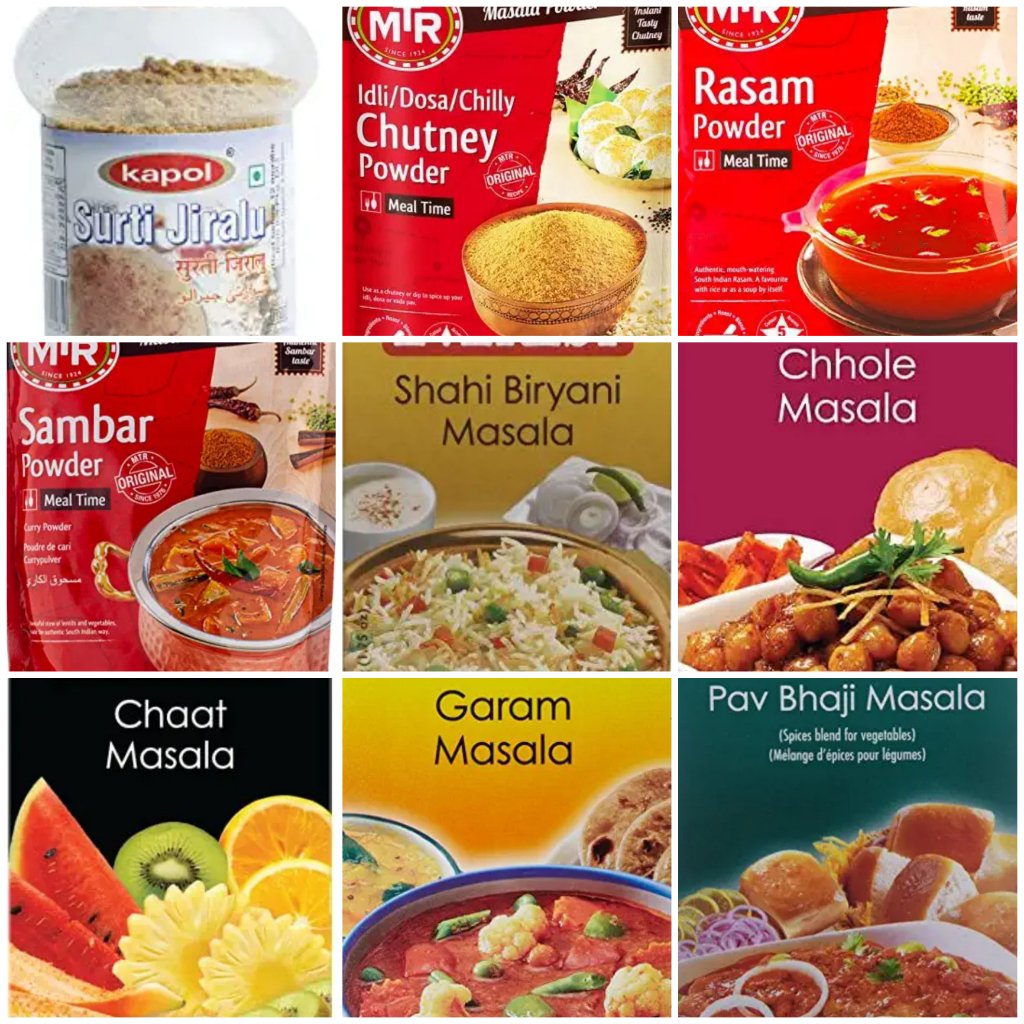
Pomegranate seeds powder, made by drying and grinding the seeds (also called anardana in Indian kitchens), is a powerhouse of nutrients and flavor. Benefits of Pomegranate Seeds Powder: 1. Digestive Aid: It stimulates digestive enzymes, helping in better digestion and preventing bloating or acidity. 2. Rich in Antioxidants: Contains polyphenols that help fight oxidative stress and inflammation. 3. Heart Health: Helps regulate cholesterol levels and supports healthy blood circulation. 4. Immunity Booster: High in vitamin C, it enhances immunity and fights infections. 5. Good for Skin: Antioxidants in the powder may promote skin glow, reduce acne, and delay signs of aging. 6. Anti-parasitic & Anti-bacterial: Traditionally used to fight intestinal worms and bacterial infections. 7. Balances Appetite: Slightly sour and tangy, it helps control appetite and sugar cravings. Culinary Uses: 1. Flavoring Agent: Adds tangy depth to chutneys, gravies, and spice blends like chaat masala. 2. Dry Masala: Can be sprinkled on roasted snacks, kababs, or pakoras for a zesty kick. 3. Tamarind Substitute:Works as a souring agent in North Indian dishes where tamarind is not used. 4. Baking: Can be added to breads or savory crackers for an exotic twist.
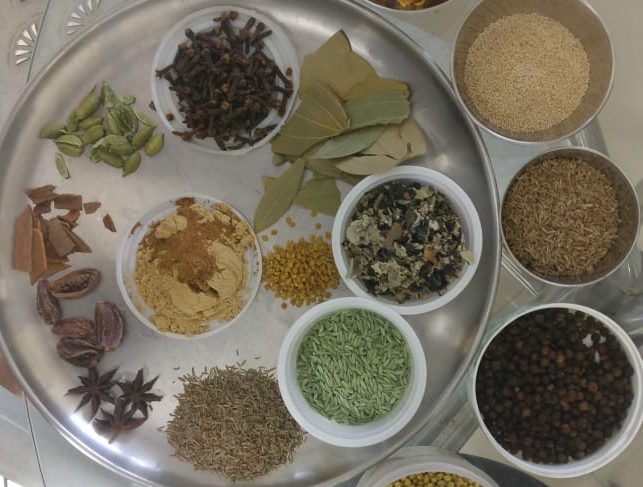
Our Indian kitchen is nothing but the pharmacy store of our house. Here we get a variety of spices. I don’t think other countries’homes have so many variations .In India Kashmir to Kanyakumari and Mumbai to Kolkata . Rich or poor all have spice boxes and all use spices in their day to day normal food preparation. So let’s start our journey in the spice box.
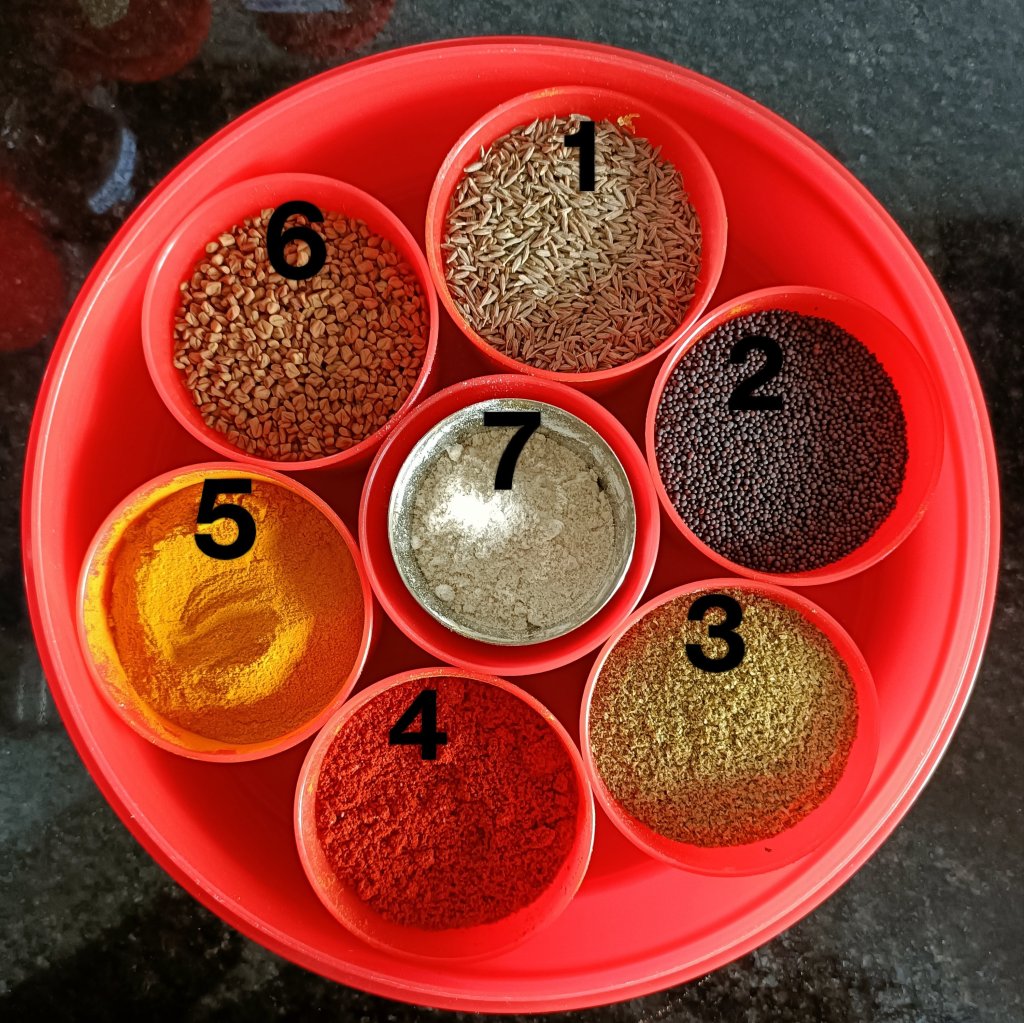
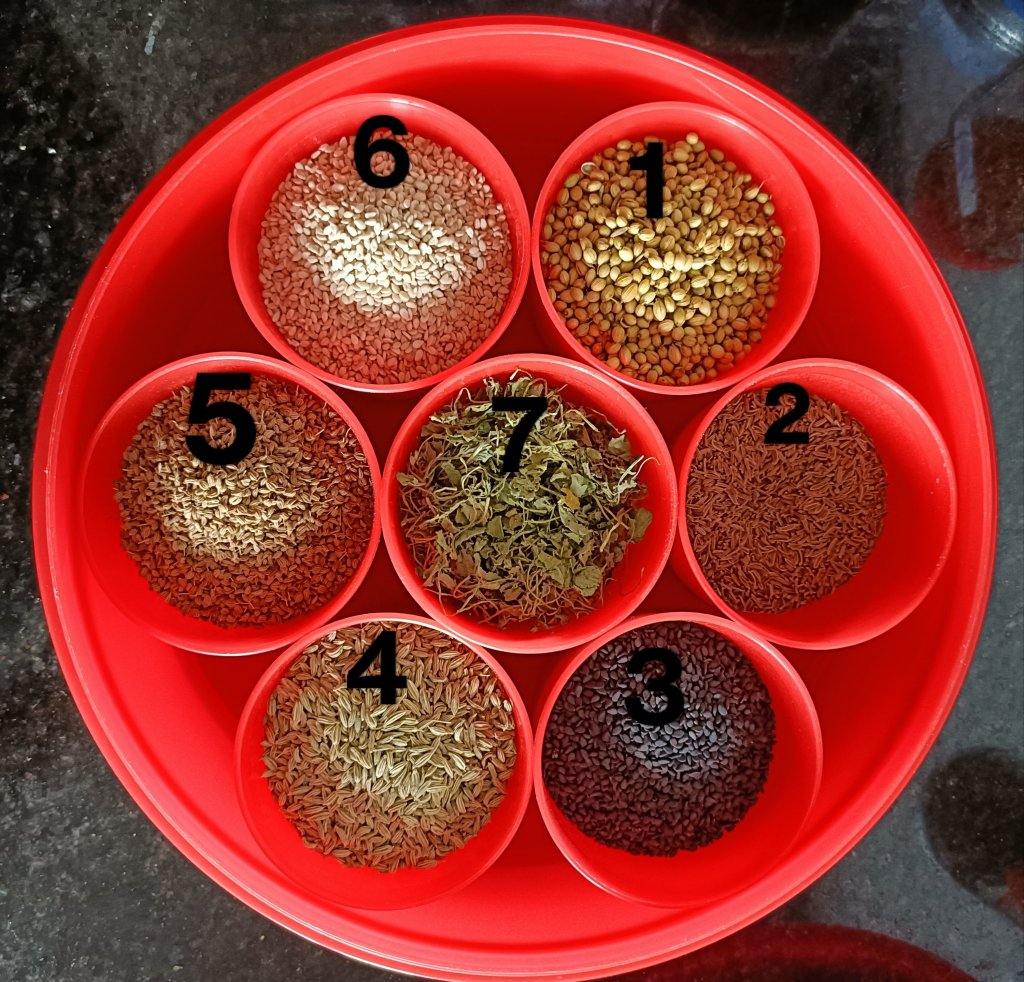
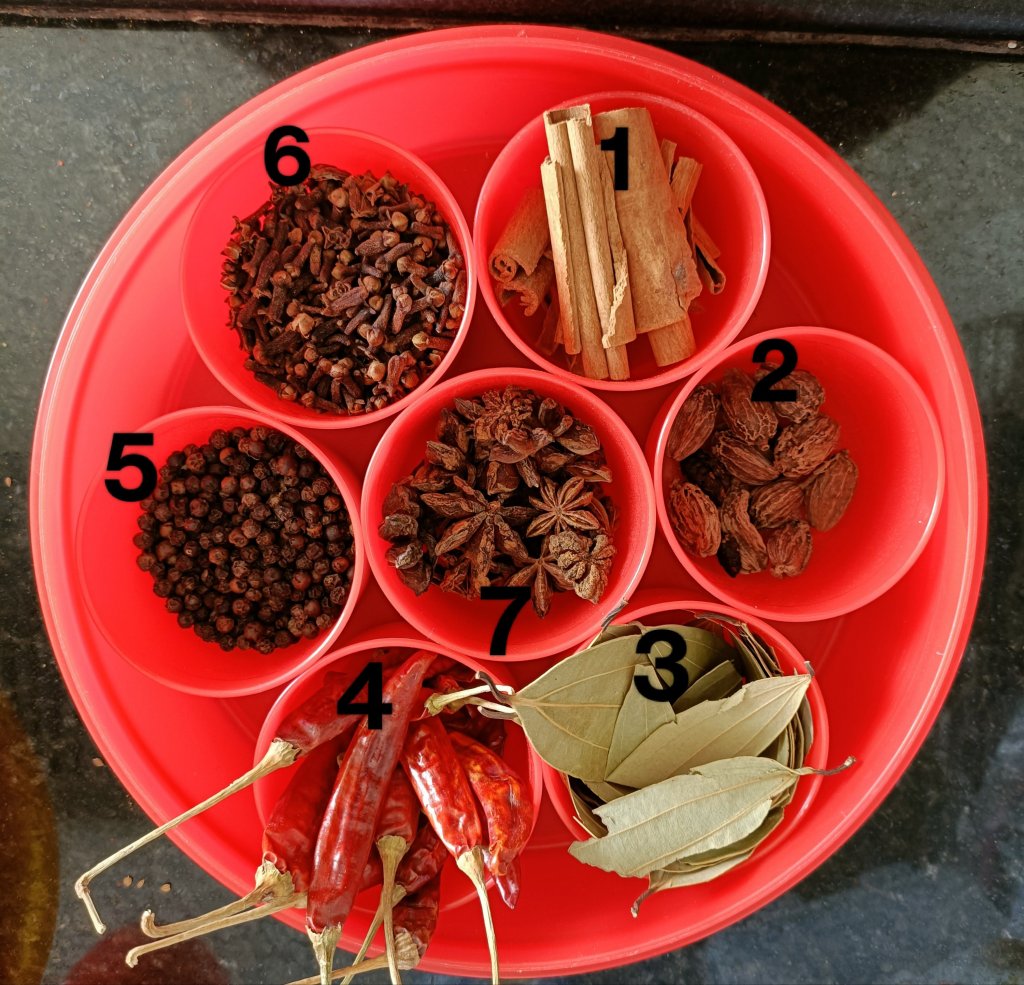
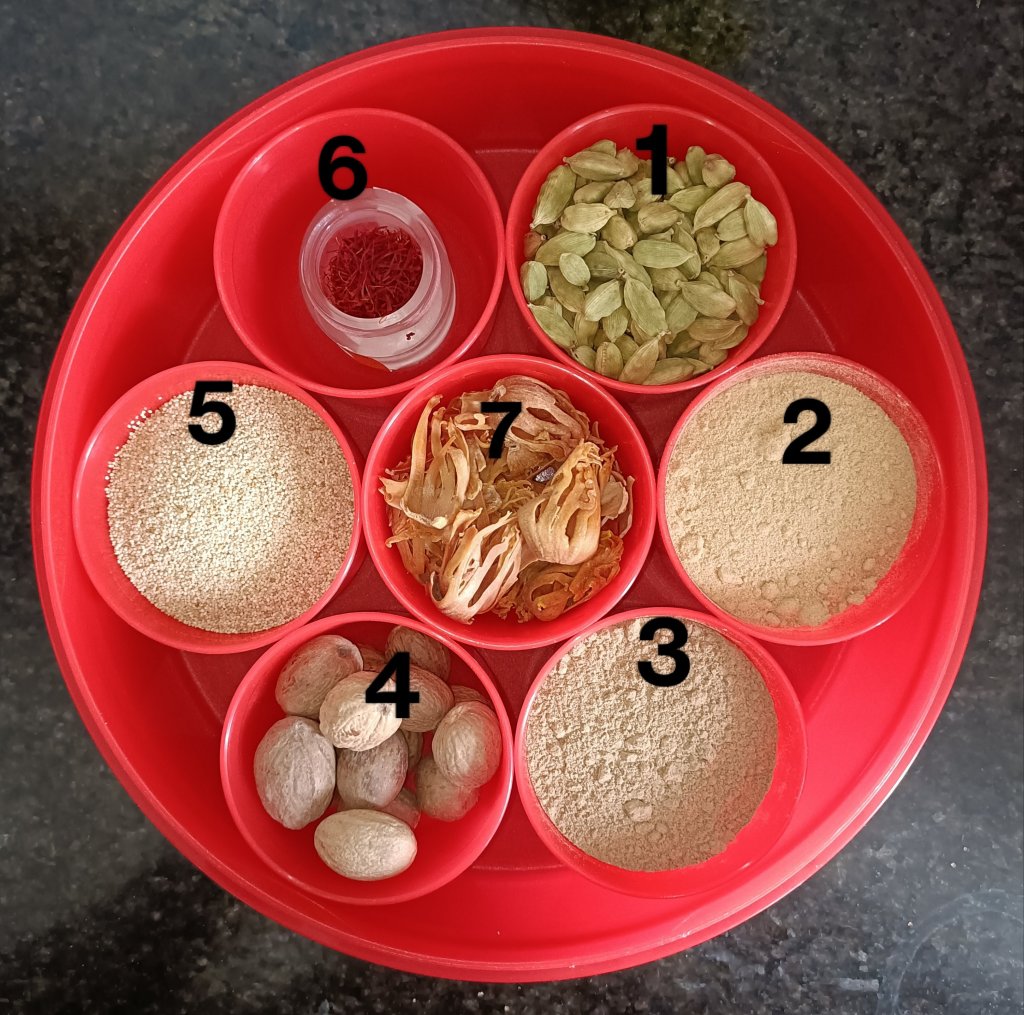
You know what a spice box is? A spice box is nothing but a single box with 7 compartments. Each compartment has its unique identity. colour, flavour, taste and medicinal value. You cannot compare one spice with another. as they are just different from others. Let’s understand the values of each spice separately.
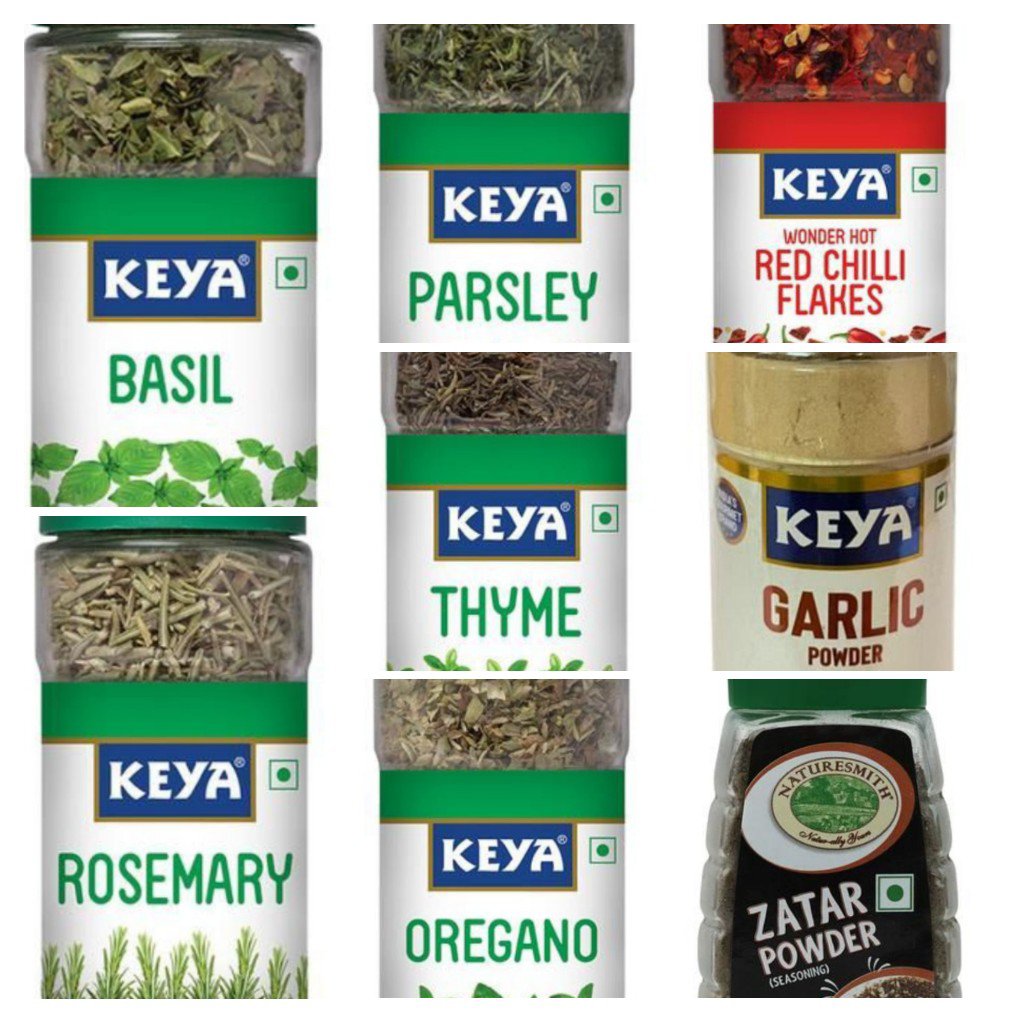
Masala Dani is a popular dry spice organiser where you can find all the needed spices in the same place. A typical masala dani has a number of small cups, often seven, placed inside a round box. Anyone who is passionate about cooking must have the following 8 different types of dry spice boxes in his/her kitchen to create some delicious recipes.
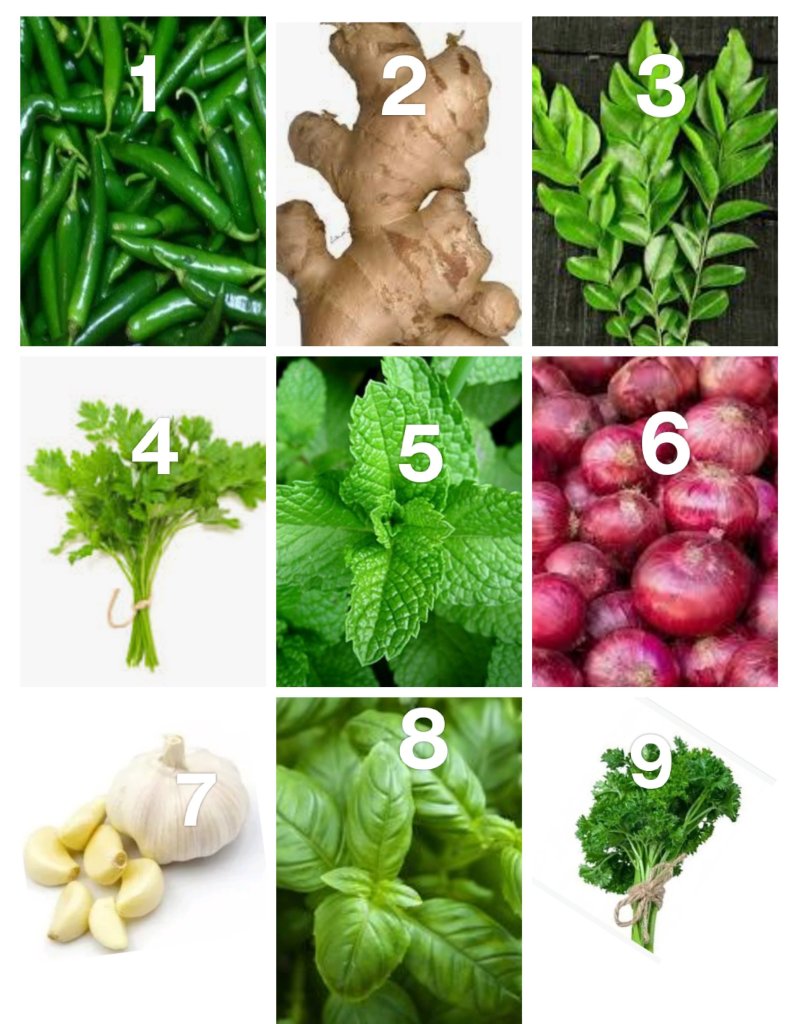
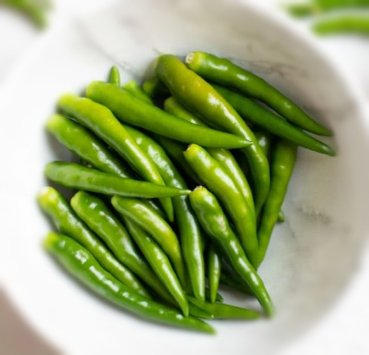
We Indians also use some fresh, green spices in our kitchen. This Green masala dani except Garlic and Onion we keep in the fridge.
 Rajeshree Gandhi's Kitchen blog