Categories
My recipes Spices

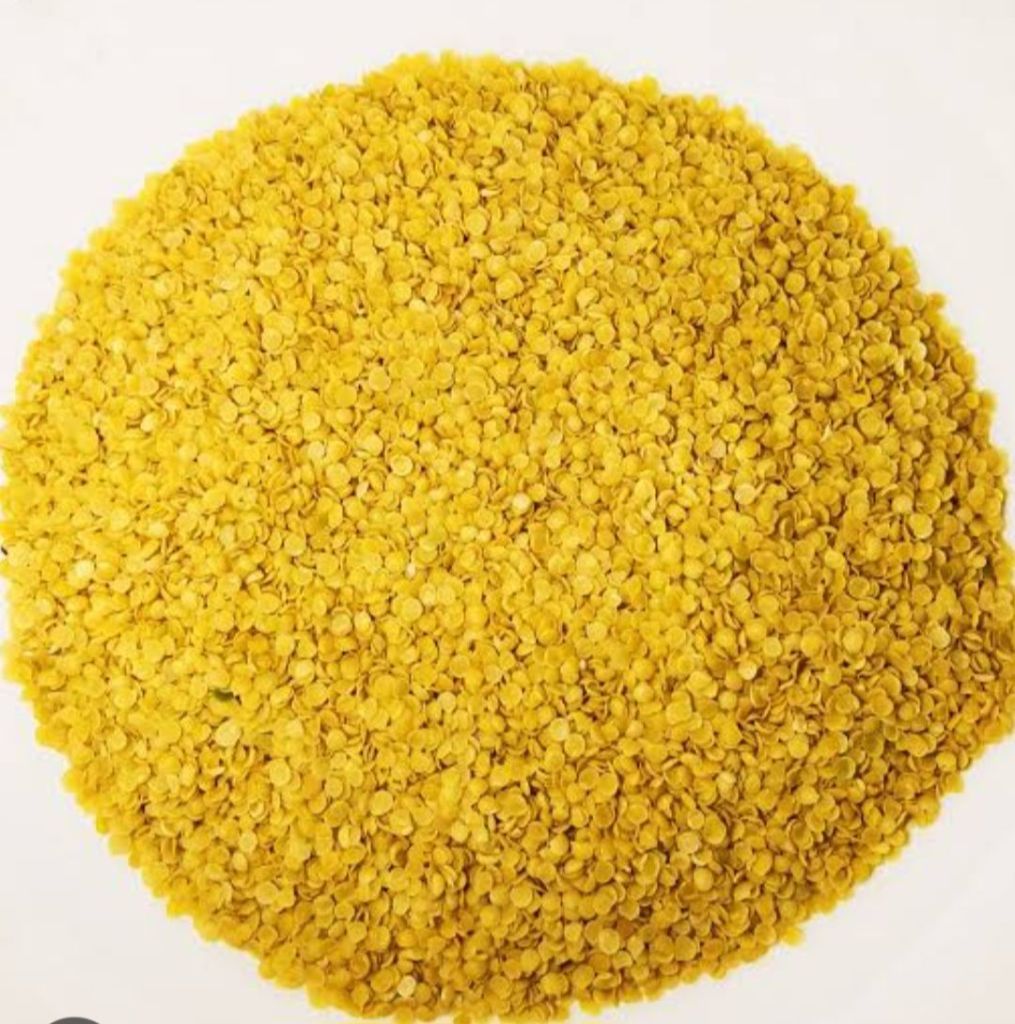
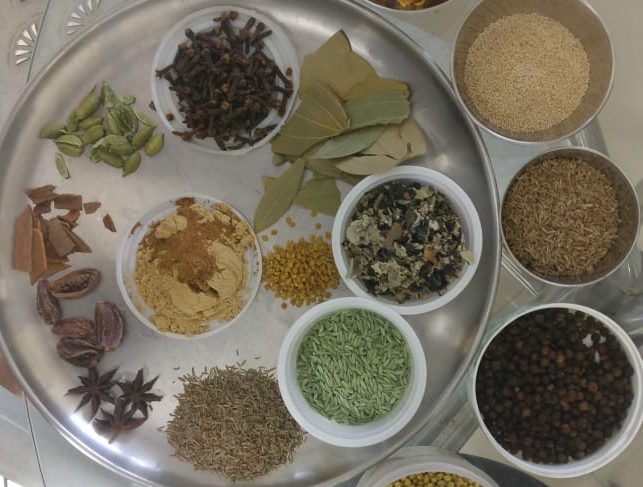
(470) Mustard coarse powder (Rai na kuriya)

Health Benefits:
1. Aids Digestion
Stimulates digestive juices and improves metabolism.

2. Reduces Inflammation
Contains compounds that help reduce swelling and joint pain.

3. Supports Heart Health
Fiber in mustard helps lower bad cholesterol levels.

4. Rich in Antioxidants
Protects body cells from damage caused by free radicals.

5. Respiratory Relief
Traditional use for clearing congestion and easing breathing.

6. Good for Skin
Helps with acne and skin infections due to antibacterial properties.

Culinary Uses:
1. Flavor Enhancer
Adds sharp, spicy flavor to curries, sauces, and gravies.

2. In Marinades
Used for marinating vegetables to add depth of flavor.

3. Pickling
Essential ingredient in making pickles for tangy taste.

4. Salad Dressings and Sauces
Mixed with vinegar or lemon juice to make tasty dressings.

5. Baking
Sometimes added to breads and savory bakes for flavor.

List Of My Recipes

Categories
My recipes Spices

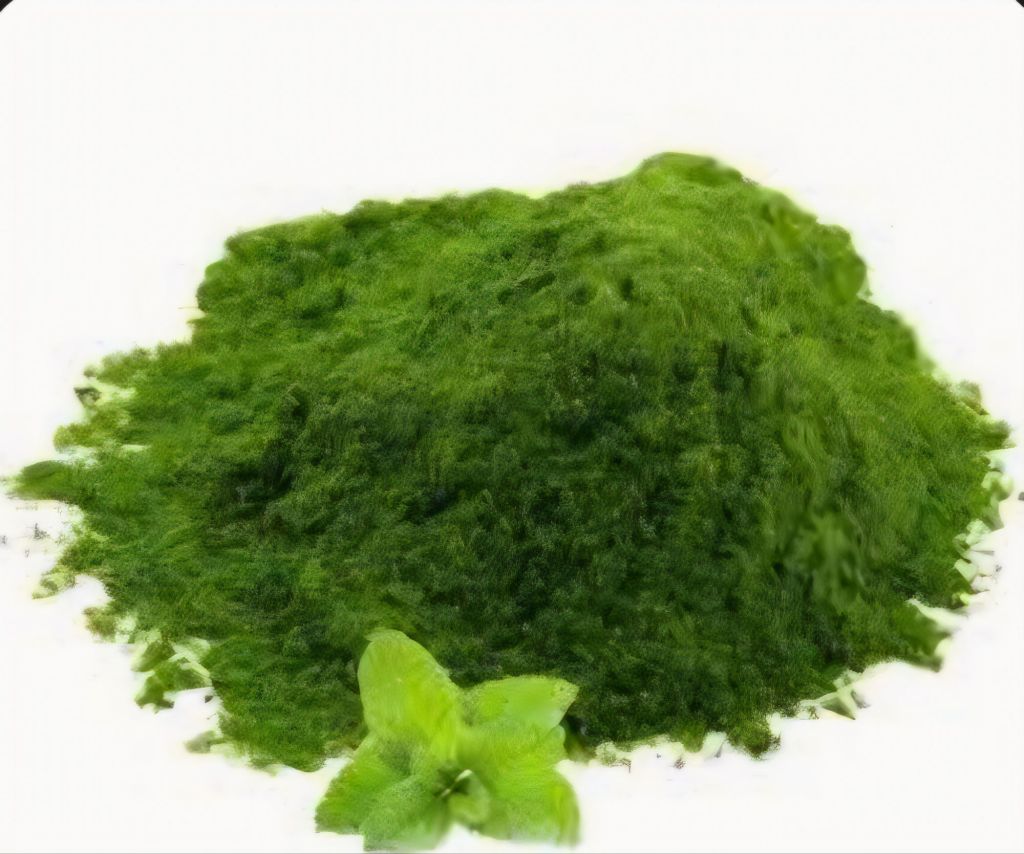
(469) Phudina Powder

Benefits of Phudina (Mint) Powder:

1. Aids Digestion:
Stimulates digestive enzymes and helps relieve indigestion, gas, and bloating.
2. Freshens Breath:
Natural mouth freshener, helps kill bacteria causing bad breath.
3. Relieves Respiratory Problems:
Helps ease symptoms of asthma, cough, and nasal congestion.
4. Cools the Body:
Has a natural cooling effect, useful during hot weather or to soothe the stomach.
5. Rich in Antioxidants:
Helps fight oxidative damage and strengthens immunity.
6. Supports Skin Health:
Anti-bacterial properties help prevent acne and give a fresh glow to the skin.
7. Weight Management:
Improves metabolism and helps curb unnecessary hunger pangs.

Common Uses of Phudina Powder:

1. Chutneys and Dips:
Add to yogurt or green chutney for extra flavor.
2. Seasoning:
Sprinkle on chaats, salads, raitas, fruits, or sandwiches.
3. Herbal Tea:
Add to hot water with a bit of honey for a refreshing mint tea.
4. Cooking:
Mix into paratha dough, marinades, or even rice dishes for aroma and taste.
5. Face Pack:
Blend with rose water or multani mitti (fuller’s earth) to refresh oily skin.

List Of My Recipes

Categories
My recipes Spices

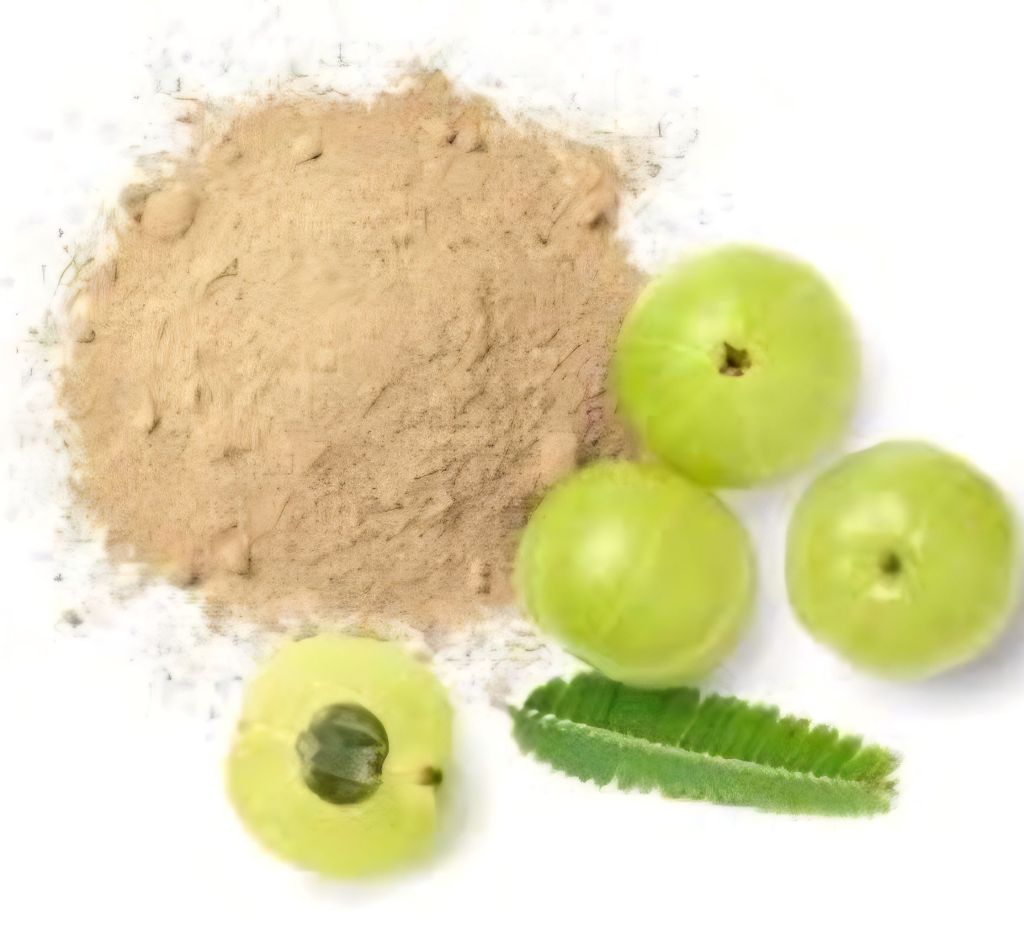
(468) Amla Powder

Benefits of Amla Powder:

1. Boosts Immunity:
Extremely rich in vitamin C, it strengthens the immune system naturally.

2. Improves Digestion:
Acts as a mild laxative, improves gut health, and balances stomach acid.

3. Enhances Hair Health:
Promotes hair growth, prevents dandruff, and delays premature greying.

4. Good for Skin:
Helps in brightening skin, reducing pigmentation, and preventing acne.

5. Supports Heart Health:
Lowers bad cholesterol and strengthens heart muscles.

6. Controls Blood Sugar:
Regulates insulin production and helps manage diabetes.

7. Powerful Antioxidant:
Fights oxidative stress, slows aging, and detoxifies the body.

8. Improves Vision:
Traditionally used to maintain good eye health and prevent cataracts.

Common Uses of Amla Powder:

1. Oral Consumption:
Mix 1 tsp in warm water, honey, or juice — taken daily for general wellness.

2. Hair Pack:
Mix with water (or curd) and apply to scalp and hair; wash off after 30 minutes.

3. Face Pack:
Blend with rose water or aloe vera gel for a natural skin glow.

4. Cooking:
Add a pinch to smoothies, chutneys, or energy balls for a nutrition boost.

5. In Herbal Teas:
Boil with tulsi or ginger to make a healing tea.

List Of My Recipes

Categories
My recipes Spices

(467) Anardana Powder

Pomegranate seeds powder, made by drying and grinding the seeds (also called anardana in Indian kitchens), is a powerhouse of nutrients and flavor.
Benefits of Pomegranate Seeds Powder:
1. Digestive Aid:
It stimulates digestive enzymes, helping in better digestion and preventing bloating or acidity.
2. Rich in Antioxidants:
Contains polyphenols that help fight oxidative stress and inflammation.
3. Heart Health:
Helps regulate cholesterol levels and supports healthy blood circulation.
4. Immunity Booster:
High in vitamin C, it enhances immunity and fights infections.
5. Good for Skin:
Antioxidants in the powder may promote skin glow, reduce acne, and delay signs of aging.
6. Anti-parasitic & Anti-bacterial:
Traditionally used to fight intestinal worms and bacterial infections.
7. Balances Appetite:
Slightly sour and tangy, it helps control appetite and sugar cravings.
Culinary Uses:
1. Flavoring Agent:
Adds tangy depth to chutneys, gravies, and spice blends like chaat masala.
2. Dry Masala:
Can be sprinkled on roasted snacks, kababs, or pakoras for a zesty kick.
3. Tamarind Substitute:Works as a souring agent in North Indian dishes where tamarind is not used.
4. Baking:
Can be added to breads or savory crackers for an exotic twist.

List Of My Recipes

Categories
My recipes Sweets

(466) Gajar Halva

Gajar Halwa (Carrot Halwa) is not just a delicious dessert—it also offers several health benefits, especially when made with minimal sugar and healthy fats. Here are some of its key benefits:
1. Rich in Vitamin A
Carrots are loaded with beta-carotene, which the body converts to Vitamin A. This supports good vision, skin health, and immune function.
2. Good Source of Antioxidants
Carrots contain antioxidants that help reduce oxidative stress, which may lower the risk of chronic diseases.
3. Energy-Boosting

Gajar halwa provides instant energy due to its combination of natural sugars, ghee, and milk.
4. Supports Bone Health
When made with milk or khoya, it’s a good source of calcium, which helps maintain strong bones and teeth.
5. Aids Digestion (in moderation)
Ghee used in halwa can help lubricate the digestive tract and enhance absorption of fat-soluble vitamins.
6. Iron Content
Carrots and nuts (like almonds) used in halwa contain iron, supporting hemoglobin levels and reducing fatigue.
7. Mood Enhancer
The comforting taste, warm spices, and mild sweetness make it a great mood-lifting dessert, especially in winter.

Ingredients

  • 1 kg. Carrot
  • 1  cup + 2 tbsp. Sugar ( approx.300 gms.).
  • 1½ lit. Full fat Milk
  • 1 tbsp. Cow ghee. (Optional)
  • 2 tbsp. Chopped Almonds (optional)

Method

  1. Wash, peel and again wash all Carrots.
  2. Grate all Carrots with the help of medium size grater.
  3. Wash thick bottom pan with water and add 2 tbsp. of potable water and then pour milk in it. So that milk won’t stick to the bottom of the pan while heating. Switch on the flame.
  4. Heat ghee in  another nonstick pan and add grated carrot in it. I don’t like ghee in Gajar Halva and I am using full fat milk. So I used to cook grated carrot without ghee .
  5. Stir continuously both the pan, milk as well as carrot pan.
  6. After 2 minutes of roasting, carrot becomes tender.
  7. At this moment add half of the grated carrot in the milk pan and half of the milk in carrot pan.
  8. Stir continuously both the pan. When water content of the milk reduces and you feel difficult to stir with both the hands, at this moment mix  both the content in the one pan.
  9. Stir continuously till all the water content in the milk  evaporates. At this moment add Sugar and stir continuously. When the water content of the melted sugar evaporates and the halwa leaves the pan switch off the flame. Gajar halwa is ready. Garnish with finely chopped Almonds (optional)
  10. Serve hot or chilled as you wish but serve with love and smile.

List Of My Recipes

Categories
juice My recipes

(465) Neem Juice

Neem leaves are traditionally consumed in the month of Chaitra, which is considered highly beneficial in Ayurveda.
Chaitra (चैत्र) is the first month of the Hindu lunar calendar, usually falling in March-April in the Gregorian calendar.
During this time, seasonal transitions occur, leading to increased Pitta and Kapha imbalances in the body.
Consuming neem leaves in Chaitra helps in detoxifying the blood, boosting immunity, and preventing seasonal diseases like skin eruptions, allergies, and infections.
It also supports digestion and keeps the body cool as temperature begins to rise.

Ingredients

  • 1 cup Neem leaves.( Preferably tender leaves)
  • ½ cup Water.

Method

  1. Pluck tender leaves from the sprigs of Neem tree.
  2. Wash thoroughly 2- 3 times and then spread all leaves on kitchen towel for 2-3 minutes .
  3. Add all leaves in a mixture grinder jar and  water to make smooth paste.
  4. Fill the cavities of  ice tray with 1 tbsp. Of Neem leaves paste and refrigerate for 8-10 hours to get cubes .
  5. After10 hours unmould the ice tray and store these neem cubes in the freezer .
  6. Every morning in Chitra month defrost 1 neem cube in ½ cup lukewarm water and consume as first thing in the morning .Please don’t consume any thing for one hour afterwards for good health.
  7. If you have vata prakruti then add 1 tsp. Honey and if you have pitta prakruti then mix neem juice with Amla and coriander juice.

List Of My Recipes

Categories
My recipes Pickle

(464) Lemon Peel Pickle

Lemon peel (lemon skin) is  nutritious and offers several health benefits.
1. Rich in Nutrients:
Vitamin C – Boosts immunity and promotes collagen production.
Calcium, potassium, and magnesium – Support heart and bone health.
Fiber (especially pectin) – Aids digestion and promotes gut health.
2. Antioxidant Powerhouse:
Contains flavonoids and d-limonene, powerful antioxidants that help fight free radicals, reduce inflammation, and may lower the risk of chronic diseases.
3. Supports Digestion:
The bitter compounds in the peel stimulate bile production, improving digestion and fat break down.
4.Antibacterial & Antifungal Properties:
Natural compounds in the peel can help fight harmful microbes.
6. Skin & Hair Benefits:
When used in scrubs or masks, lemon peel can brighten skin, fight acne, and reduce excess oil.
A lemon peel rinse may add shine to hair and help control dandruff.

Ingredients

  • 1 cup Lemon Peel
  • 1½ cup Sugar
  • 1 cup Jaggery.
  • 1 tsp. Red Chilli powder.
  • ¼ tsp. Turmeric powder
  • ⅛ tsp. Asafoetida powder

Method

  1. After making lemon juice cubes , we had kept lemon peels aside. Let’s  use these lemon peels for making pickle.
  2. Chop all peels into small pieces and then grind it in to paste . Strain this paste with the help of strainer so that uncrush peel you can discard. I forgot to strain so you can see tiny uncrushed peels in the photo.
  3. In a mixing bowl mix this paste with sugar and jaggery.
  4. Mix all spices thoroughly and keep this bowl under harsh sunlight for 6-7 hours or heat the pan on slow flame, please do not over heat just till sugar dissolves and you will get sauce type consistency. Lemon peel pickle is ready.
  5. Store the pickle in the refrigerator in a glass jar.

List Of My Recipes

Categories
My recipes snacks

(463) Oven Roasted Papads

Ingredients

  • Rice papads.
  • Urad papads.
  • Friyums

Method

  1. Preheat oven at 200 °c  for 5 minutes.
  2. Arrange papads or friyums on backing tray.
  3. Place this tray in oven.
  4. You will get crispy papad or friyums in 2 to 2½ minutes but check every time after 1 minute. As time always depends on thickness of the papad and friyums.
  5. Store in an air tight container.
Mini Rice papads arranged on oven plate

List Of My Recipes

Categories
My recipes soup

(462) Soups

Indian Soups – Simple, Soothing, and Straight from the Kitchen

There’s a quiet joy in stirring a pot of homemade soup, especially the kind we grew up with—light, flavorful, and full of comfort. Indian soups, whether it’s a gently spiced dal shorba, a tangy rasam, or a humble vegetable broth, have always had a place in our homes. These are not just starters; they’re warm bowls of love, often made with whatever is fresh and available, guided by the wisdom of our mothers and grandmothers. Balanced with spices and herbs, many of these soups carry health benefits too—helping with digestion, soothing colds, or simply warming us up after a long day. Here, I’m sharing some of those familiar, soul-satisfying recipes from my kitchen to yours.

List Of My Recipes

Categories
Daal My recipes

(461)Phudina kadhi

Ingredients

  • 4 cup kadhi
  • 25-30 Phudina leaves.

Method

  1. Add finely chopped Phudina leaves while tempering. So that the essential oil liberates in the tempering ghee and flavour of the Phudina infused in the kadhi.
  2. Boil for one minute and serve hot with love and smile.

List Of My Recipes