Life is a journey of evolving roles, each with its own beauty and wisdom. From the structured world of academia to the ever-evolving realm of homemaking, I have embraced each phase with passion and grace. When my children settled into their own lives, I found myself with a renewed sense of purpose—to document and share the wealth of knowledge I have gathered over the years.
During the lockdown, I realized that my experiences in cooking, home remedies, and life’s simple yet profound lessons could serve as a source of inspiration for others. Meticulously and with great concern for the palate, gut health, overall well-being, and the emotional gratification of savoring each preparation, I began crafting a collection of love-filled, cherished recipes, time-tested remedies, and stories woven with warmth and wisdom.
I write under the name "Rajeshree's Kitchen", where I share detailed recipes—the kind that provide exact measurements for ingredients like salt and water, which are often left to personal interpretation in most other kitchen blogs. Additionally, I include practical tips with clear reasons behind them, ensuring that every piece of advice is rooted in understanding and experience. My aim is to make cooking approachable yet precise, helping readers not just recreate dishes but truly connect with the joy of cooking.
This endeavor is my way of preserving traditions, sharing insights, and connecting with those who seek both knowledge and comfort in life's everyday moments.
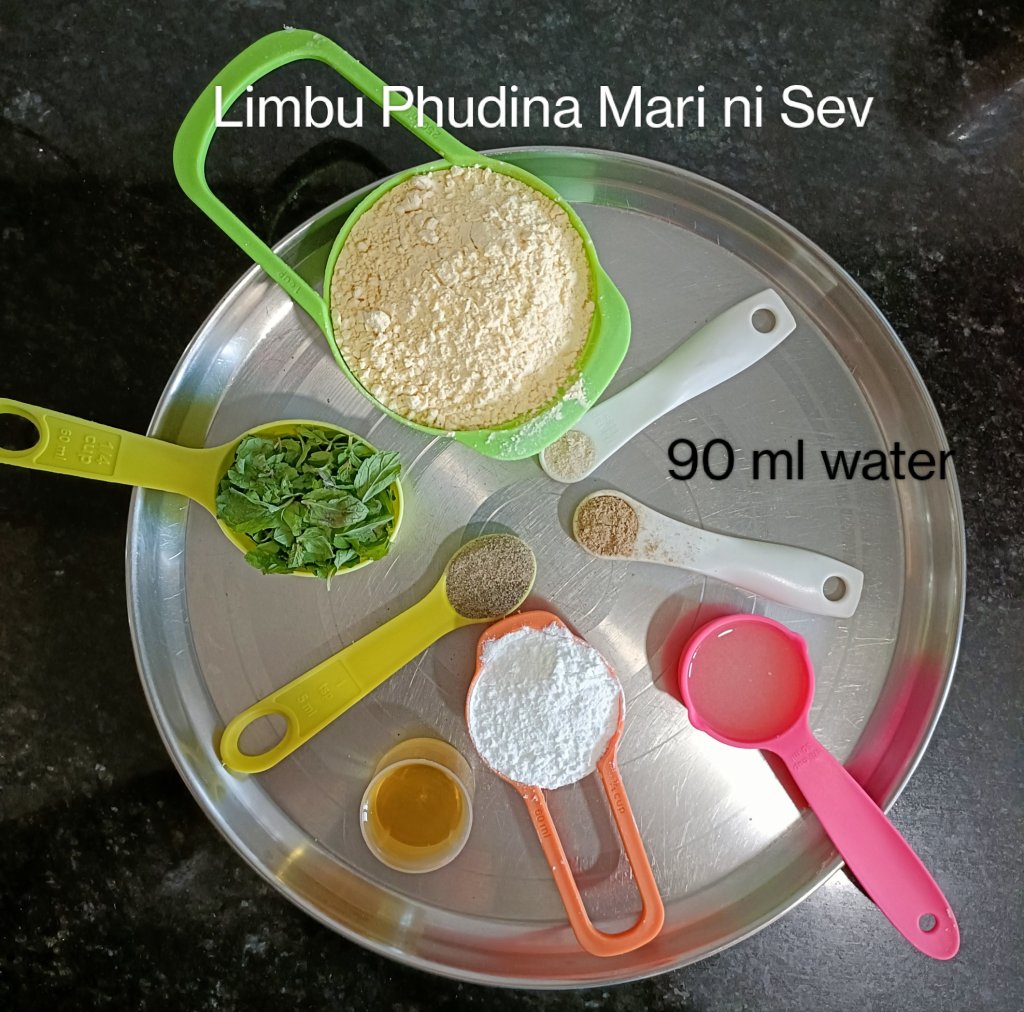
2 spicy green chillies ( if you want spicy sev). (Optional)
Lemon juice.
1 tsp. Black pepper powder.
½ tsp. Chat masala.
½ tsp. Salt.
⅛ tsp. Asafoetida powder.
30 ml. Oil.
90 ml. water
Oil for frying.
Method
In a mixture grinder make a paste of mint leaves. Filter the paste with tea strainer and keep aside.
In a grinder jar churn water and oil together and you will get white colour liquid.
Add all spices in this white liquid and again churn.
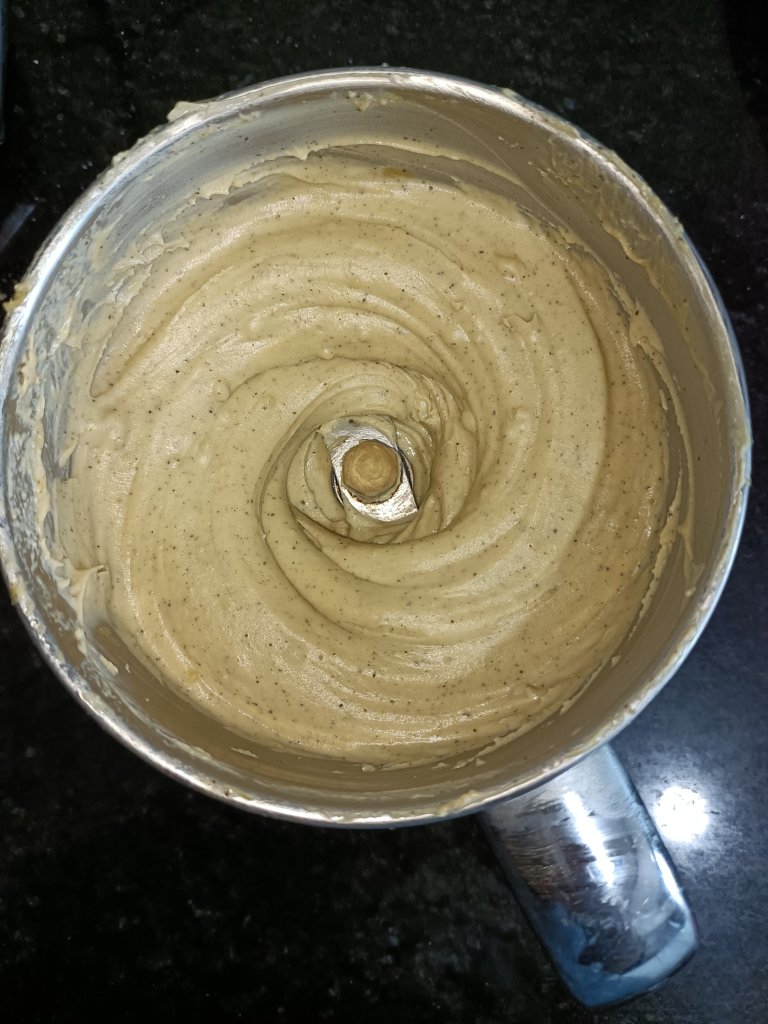
Now add ¼ cup flour and churn. Repeat the process and in this way mix all flour in the jar and continuously churn for 2 minutes and you will get fluffy sev batter. (see video)
Liquid diets are classified as Watery Soups, Thick Soups, Smoothies, Tea, Coffee, Gruels, Porridge, Milkshakes. Which is not always for weight loss. Sometimes doctors prescribe a liquid diet for some special conditions like accident cases and tooth extraction cases. Sometimes in deficiency of minerals and vitamins cases doctors prescribe some special liquid diet. So the following menu shows all types of liquid food. For weight gain or loss or to increase immunity or help in deficiency etc.
Kheer means porridge. Which is always prepared along with milk, Sugar or Jaggery and grains or vegetables.
Rab means gruel. Which is prepared with flour, water, some spices and sugar/jaggery.
Thick Soups means thick consistency either with the help of cornflour, arrowroot, chickpea flour, all purpose flour, moong flour or grinding some portion of vegetables.
Milkshakes means drink prepared with milk and/or ice cream, fruits and/or flavoured syrups.
Smoothies means drink prepared with fruits and/or vegetables, milk and/or curd and sugar or maple syrup or honey or jaggery.
2 medium size Tomatoes or 2 cube of tomato pureeor 3 Kokum.
1 cup grated coconut or 10 cubes of coconutor 400 ml. of ready coconut milk.
1 tsp. Salt for corn kernels and 1 tsp. salt for curry.
3 tbsp. Coconut oil.
½ tsp. Cumin seeds.
2 Cloves.
2 Bay leaves.
½ tsp. Ginger Chilli paste
½ tsp Turmeric powder.
1 tsp. Red chilli powder.
1 tsp. Sugar.
1 tbsp. Freshly chopped Coriander leaves.
Method
Wash sweet Corn kernels and after adding salt and ½ cup water pressure cook it up to 2 whistles and keep aside.
In a non stick pan heat 2 tbsp oil and add roughly chopped onion. Saute till translucent and add roughly chopped tomatoes or puree. If you are making without tomatoes then grind onions into fine paste directly and while cooking gravy add Kokum. Otherwise grind onions and tomatoes into a fine paste.
Again heat remaining oil in the nonstick pan and add Cumin seeds. After the crackling sound adds cloves and bay leaves and all other dry spices. Saute for 30 seconds.
Add gravy. Saute for 1 minute and add cooked sweet corn kernels along with its water. Now add grated Coconut with 1 ½ cup water or if using milk then no water. Close the lid and boil the curry for 5 minutes in a slow flame.
Switch off the flame and add freshly chopped Coriander leaves and close the lid for 2 minutes to retain the flavour of the Coriander.
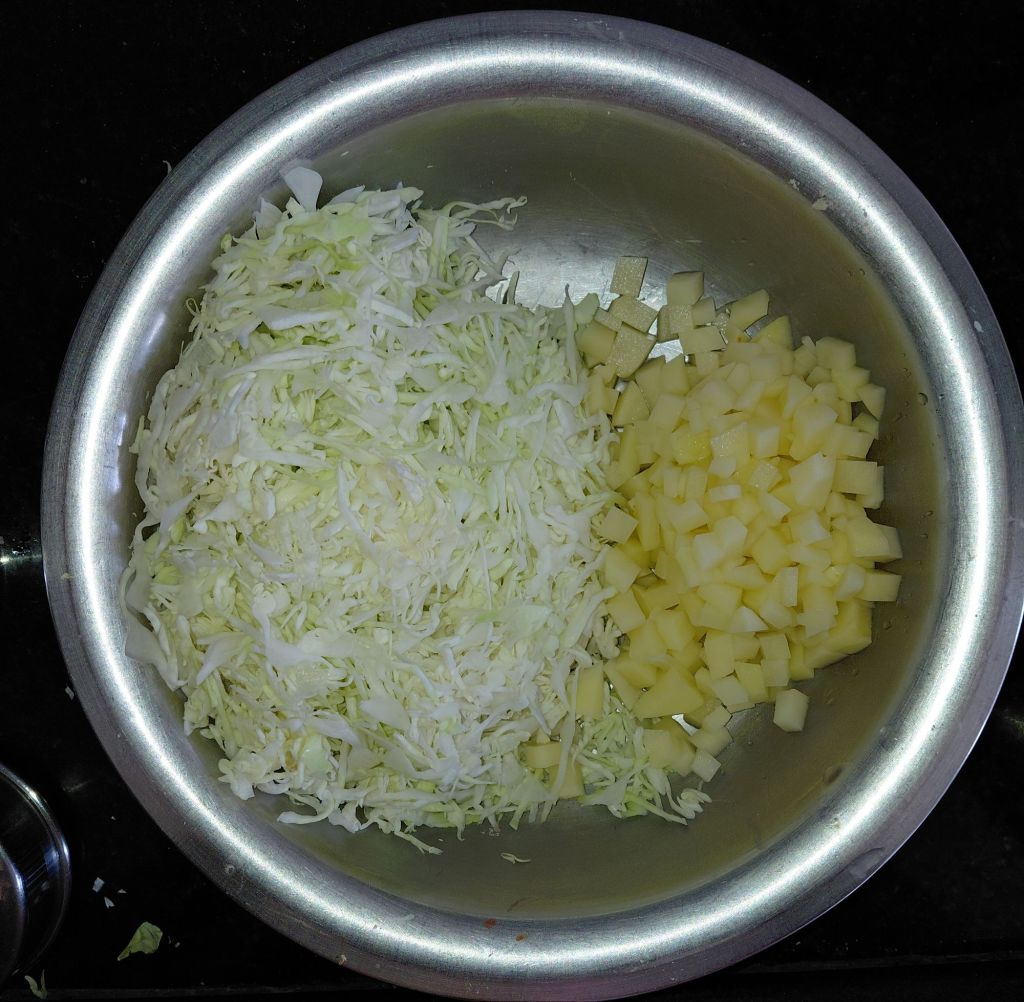
Peel, wash potatoes and cut in the form of chips or dice and keep aside submerged in water otherwise it turns black.
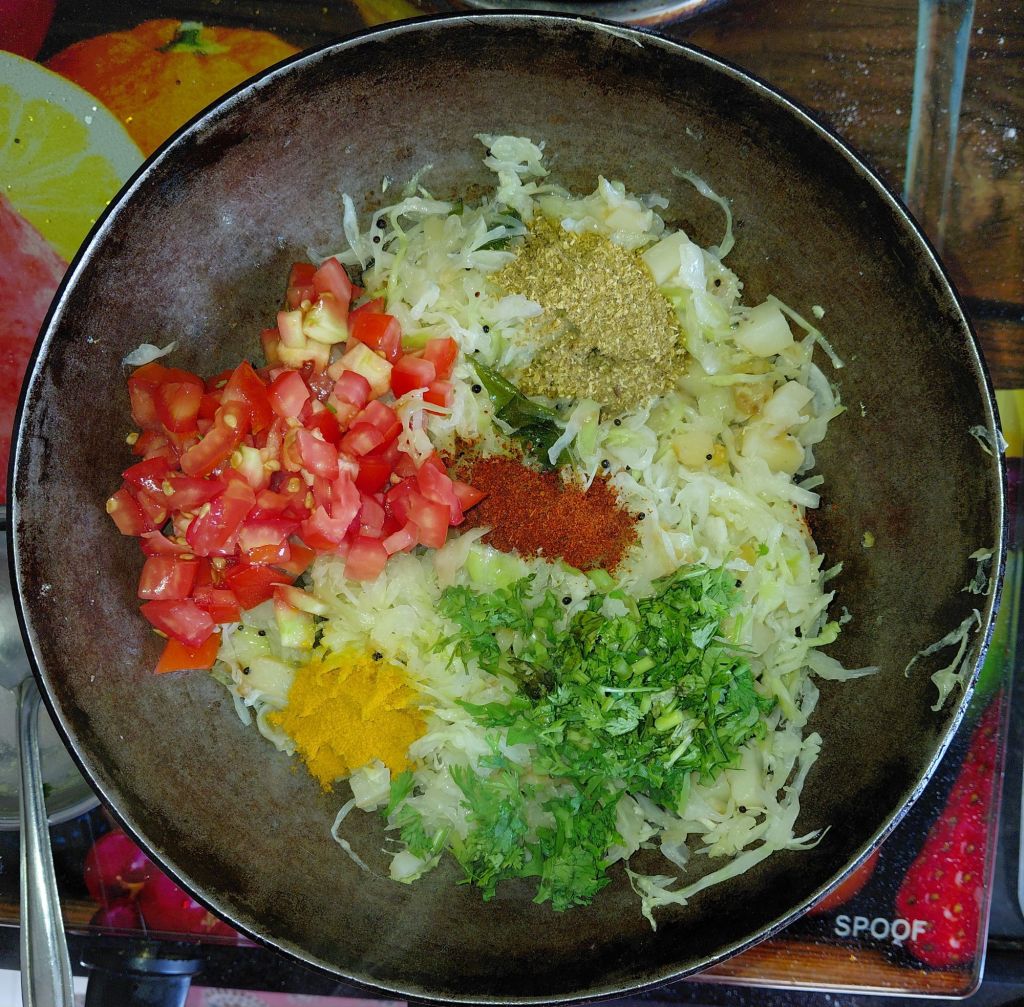
Wash the cabbage and cut it into 2 halves and again cut it with the help of a manual or machine slicer which gives you thin shreds of cabbage . Keep aside.
Heat oil in an iron kadhai (try to use iron kadhai only as an elemental iron incorporated into cooked food which acts as a direct source of iron). Add Mustard seeds and wait for a crackling sound and then add Asafoetida powder and Turmeric powder.
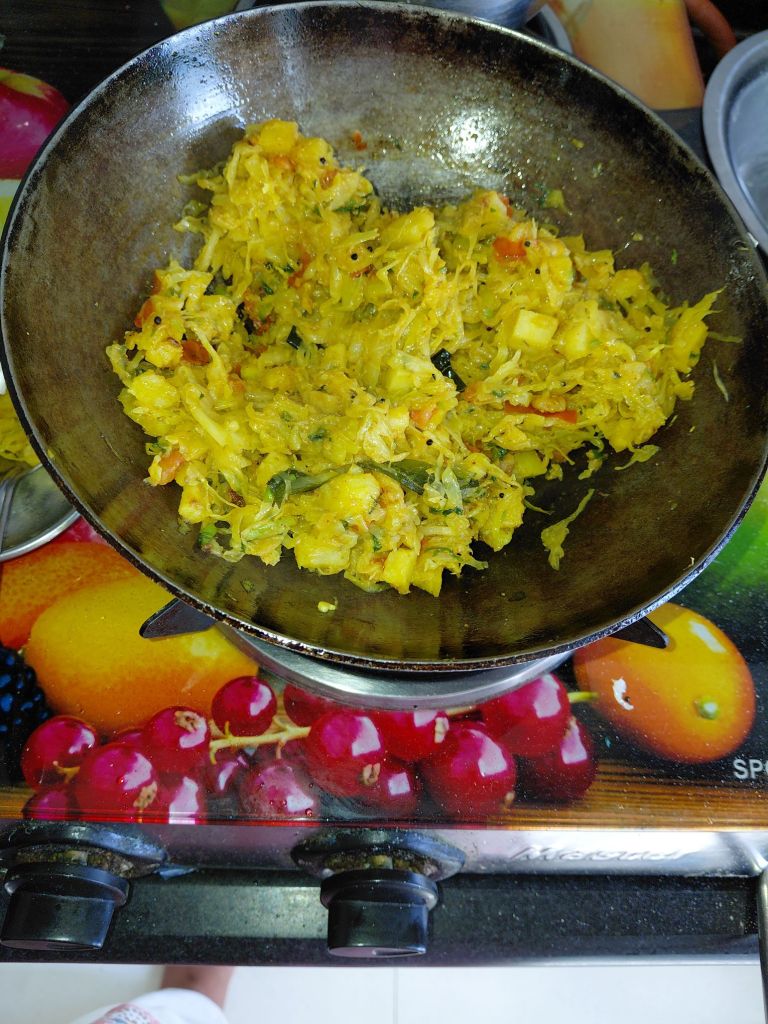
Add cabbage and cut potatoes together. Stir well and cover the kadhai with a plate of water and cook for 10-15 minutes on a medium flame.
Stir occasionally and once both cabbage and potatoes are cooked properly add all dry and wet spices and coriander leaves. Mix thoroughly. Turn the gas on slow flame and close the lid so that the aroma of spices and coriander leaves are retained in vegetables.
“Kutti Daro” (also spelled Kutki, botanical name Picrorhiza kurroa) is a powerful herb in Ayurvedic medicine known for its liver-protective and detoxifying properties. Here are some key benefits:
Health Benefits of (Kutki )Kutti Daro:
1. Liver Health: Kutki is one of the best Ayurvedic herbs for liver detox. It supports liver function and is used in conditions like hepatitis, fatty liver, and jaundice.
2. Digestive Aid: It stimulates appetite, aids digestion, and helps relieve constipation and acidity.
3. Anti-inflammatory & Antioxidant: Rich in compounds like kutkin, it helps reduce inflammation and oxidative stress in the body.
4. Immune Booster: Enhances the immune system and helps fight infections, especially respiratory tract infections.
5. Supports Skin Health: Due to its blood-purifying nature, it is useful in skin conditions like eczema, psoriasis, and acne.
6. Balances Pitta and Kapha: Especially good for people with Pitta and Kapha imbalances—helps cool the body and detoxify heat-related issues.
7. Helps Manage Fever: Acts as a febrifuge—reduces fever by supporting the liver and immune system.
8. Useful in Autoimmune Conditions: Ayurvedic texts mention its use in managing conditions like rheumatoid arthritis and chronic inflammation.
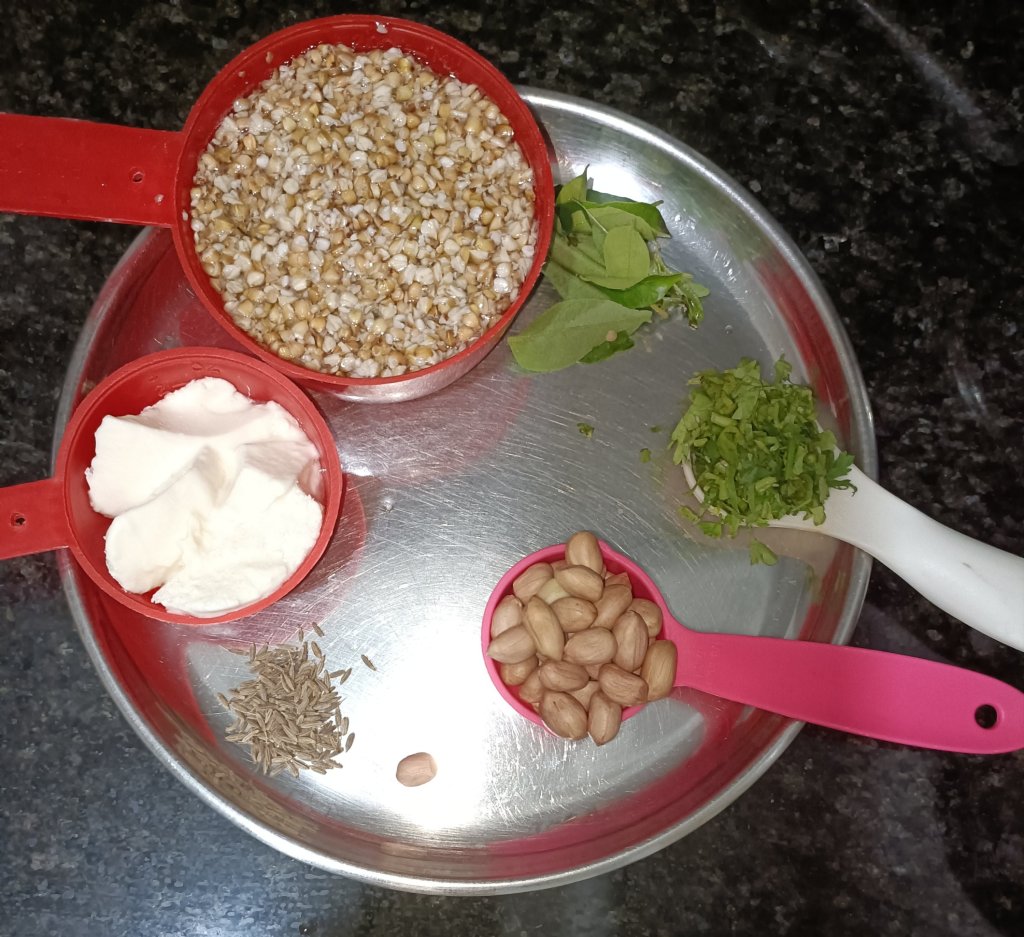
Sieve and clean the Buckwheat and wash it two times in a strainer.
Soak for 30 minutes in 4 cups of water.
After 30 minutes heat ghee, add Cumin seeds and wait for a crackling sound. Now add curry leaves, give a quick stir and add soaked Buckwheat along with its water and Peanuts. Boil and reduce the water.
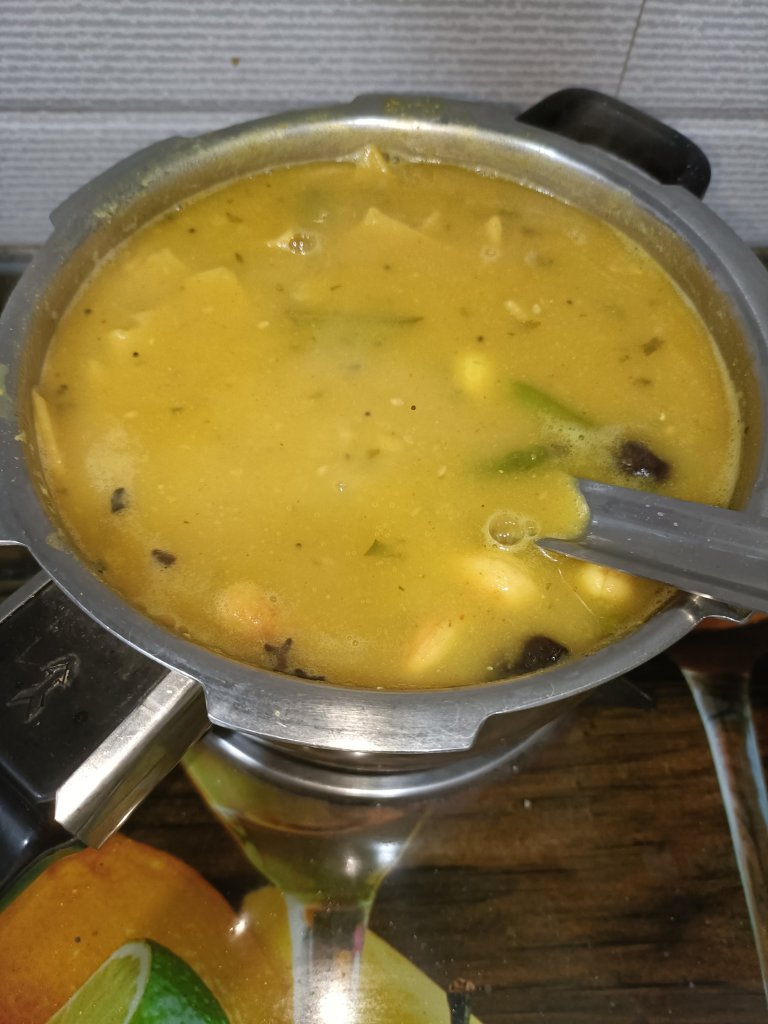
Make a paste of Ginger and chili and add in kutti daro, add salt curd and coriander leaves and stir continuously otherwise curd will start curdling.
Once you reach the desired consistency, switch off the flame and serve hot accompanied with curd or masala chhas.
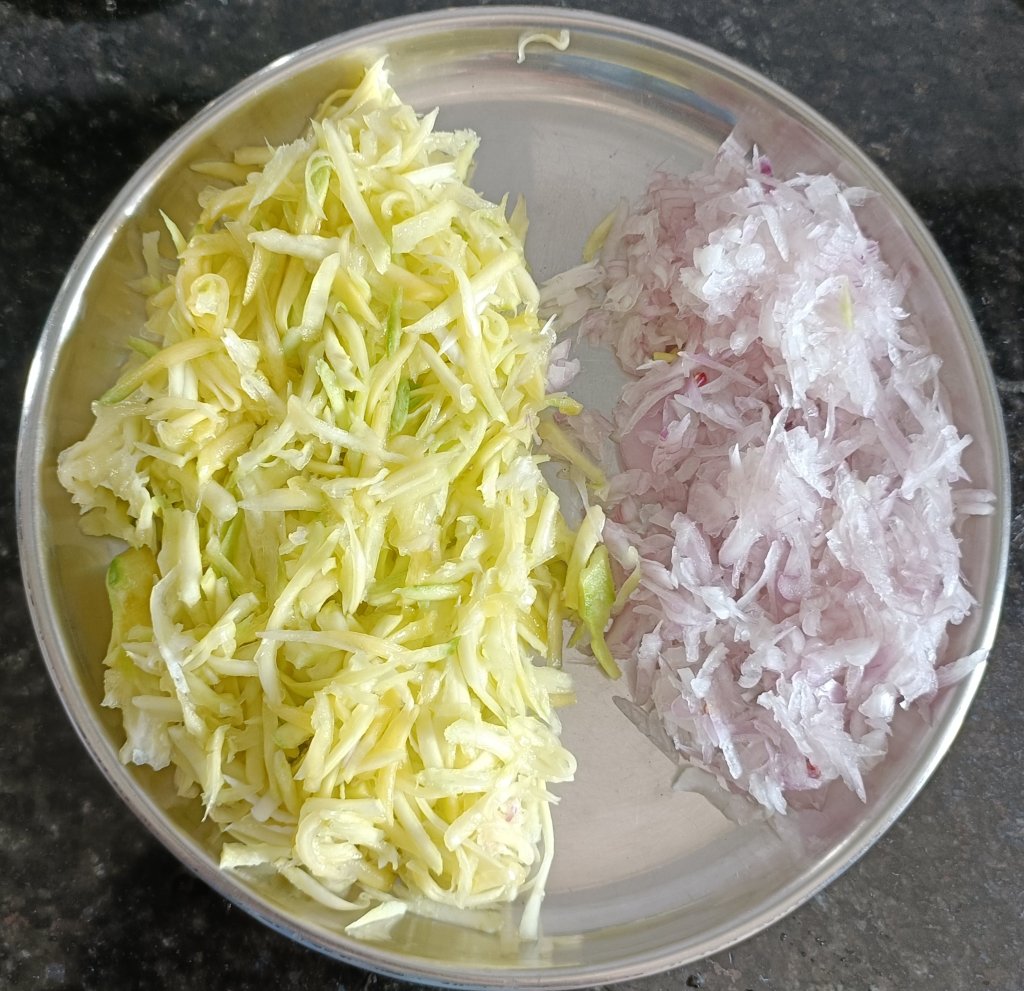
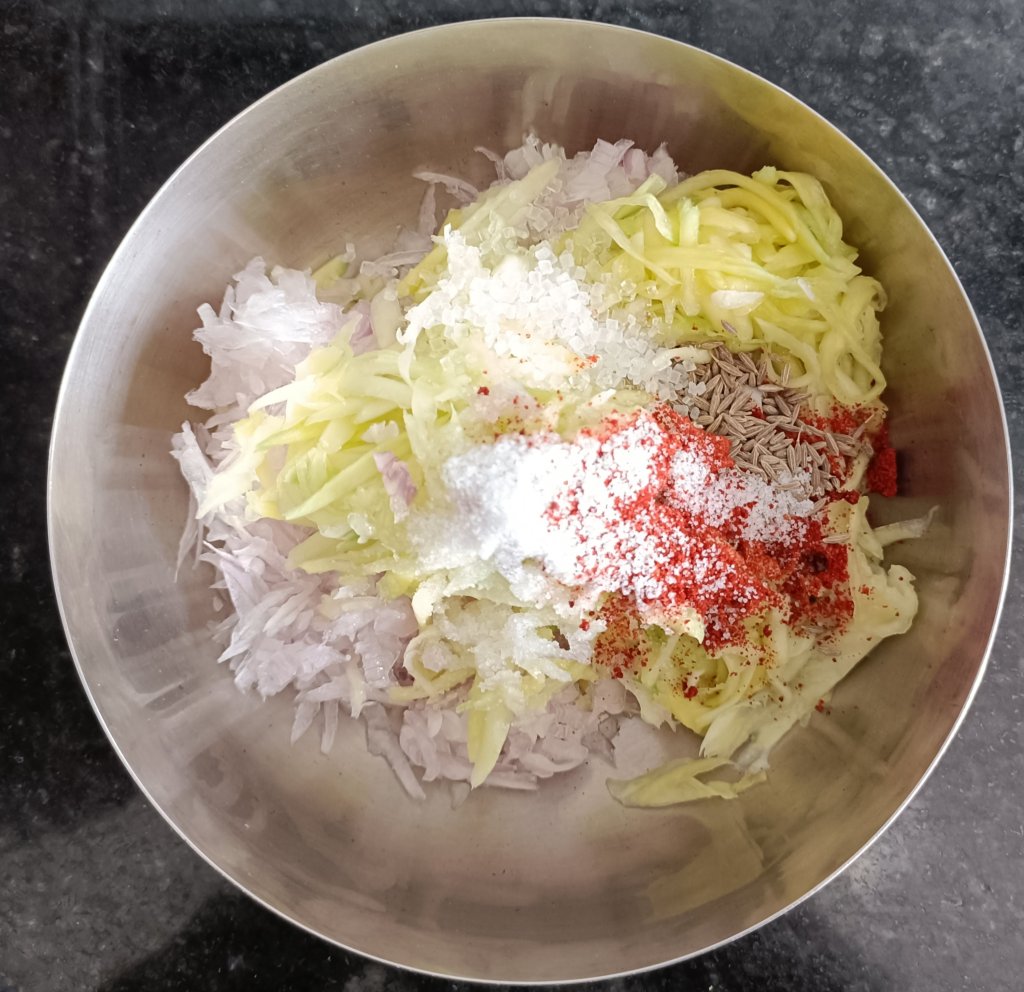
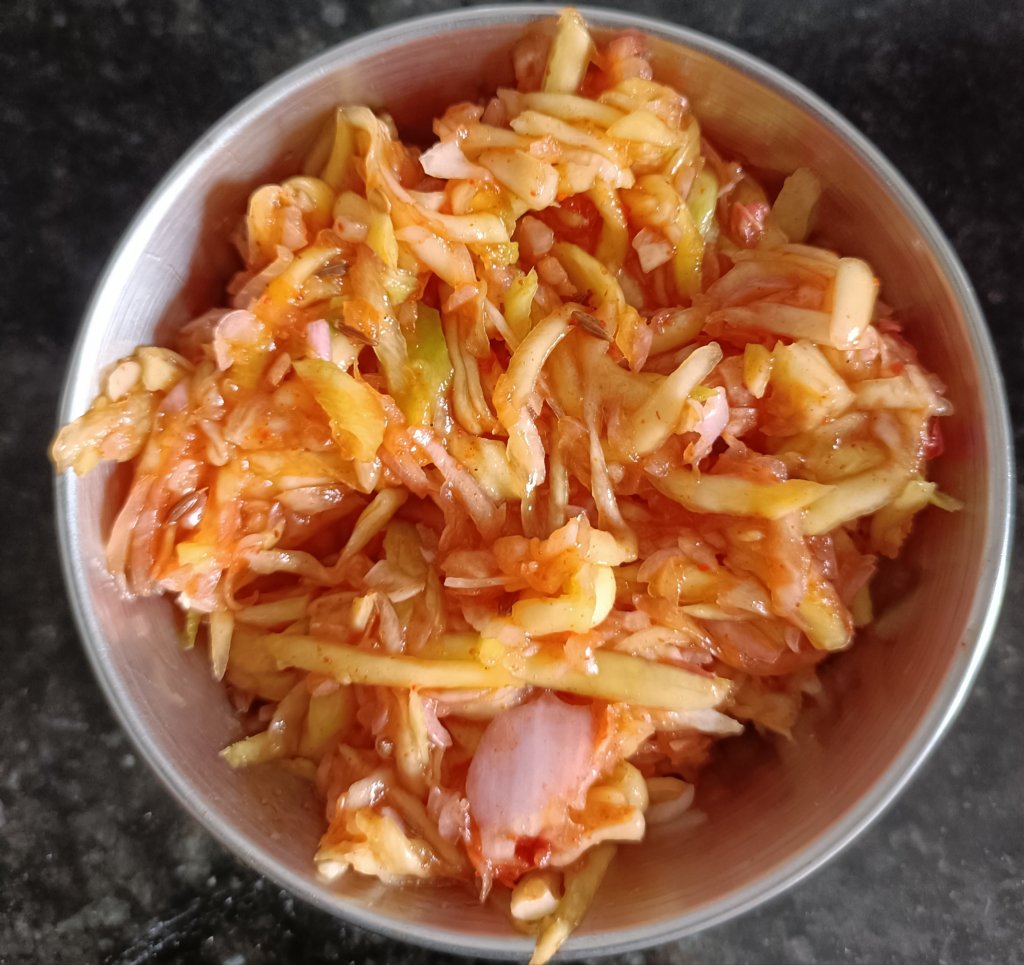
In a mixing bowl mix thoroughly mango, onion, and spices together.
Serve with Roti, Bhakhri , Paratha or as you wish. Serve with love and smile.
kanda keri kachumber is beneficial in the summer season as Mango reduces the effect of sunstroke and improves dehydration symptoms. Consuming onions helps in boosting the good bacteria in the gut and prevents bad bacteria from causing digestive issues.
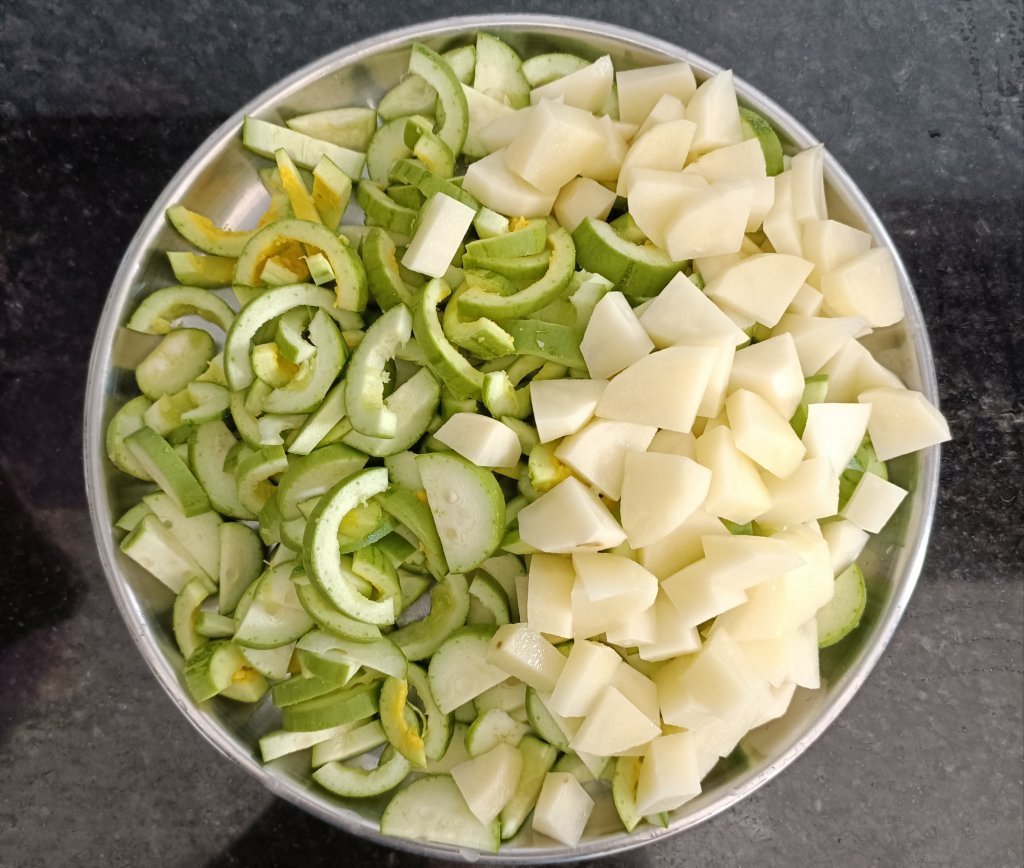
Wash and scrape each Parwal with a sharp knife. Again wash and cut into 2 halves and again cut either vertically or horizontally into small pieces.
Peel Potatoes, wash and cut it into chips or dice.
Heat oil in iron kadhai (try to use iron kadhai only as elemental iron incorporated into cooked food which acts as a direct source of iron) and add Mustard seeds in it. Wait for a crackling sound and then add Asafoetida powder and Turmeric powder in it.
Now add cut Parwal pieces, potato pieces, salt, sugar and soda in it. Sugar and soda helps in retaining the green colour of the vegetable and it also helps in fast cooking.
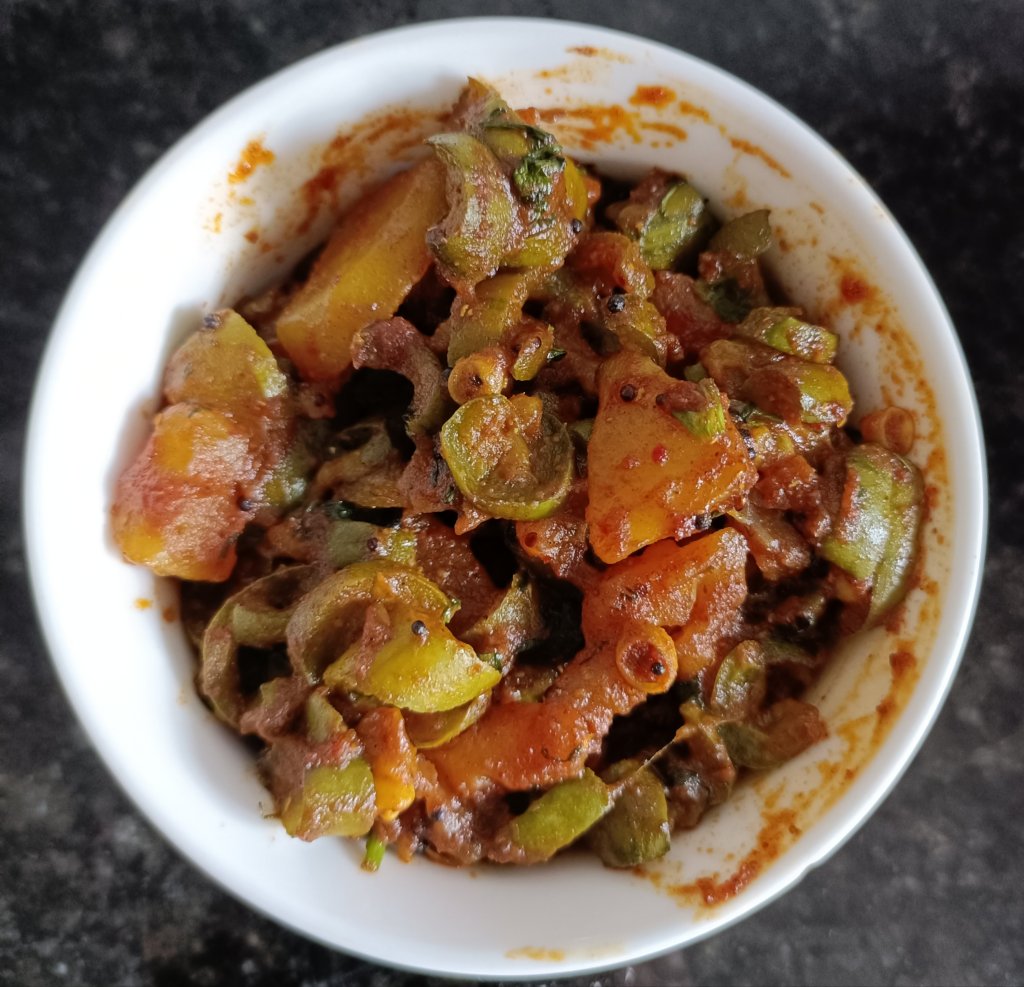
Cover the kadhai with a plate of water. Cook on medium flame for 10 to 15 minutes. Stir occasionally with a spatula. For stirring any dry vegetable use a spatula only, otherwise pieces of cooked vegetables become mashed. Check by giving little pressure on a single piece of parwal. If it mash with your finger it means shak is properly cooked. At this time add all dry spices and mix well. Switch off the flame and sprinkle Coriander leaves and close the lid for 5 minutes. So that the flavour of fresh Coriander leaves stays.
After 5 minutes transfer shak in a steel or glass vessel.

 Rajeshree Gandhi's Kitchen blog